
Understanding Light in Nature Photography
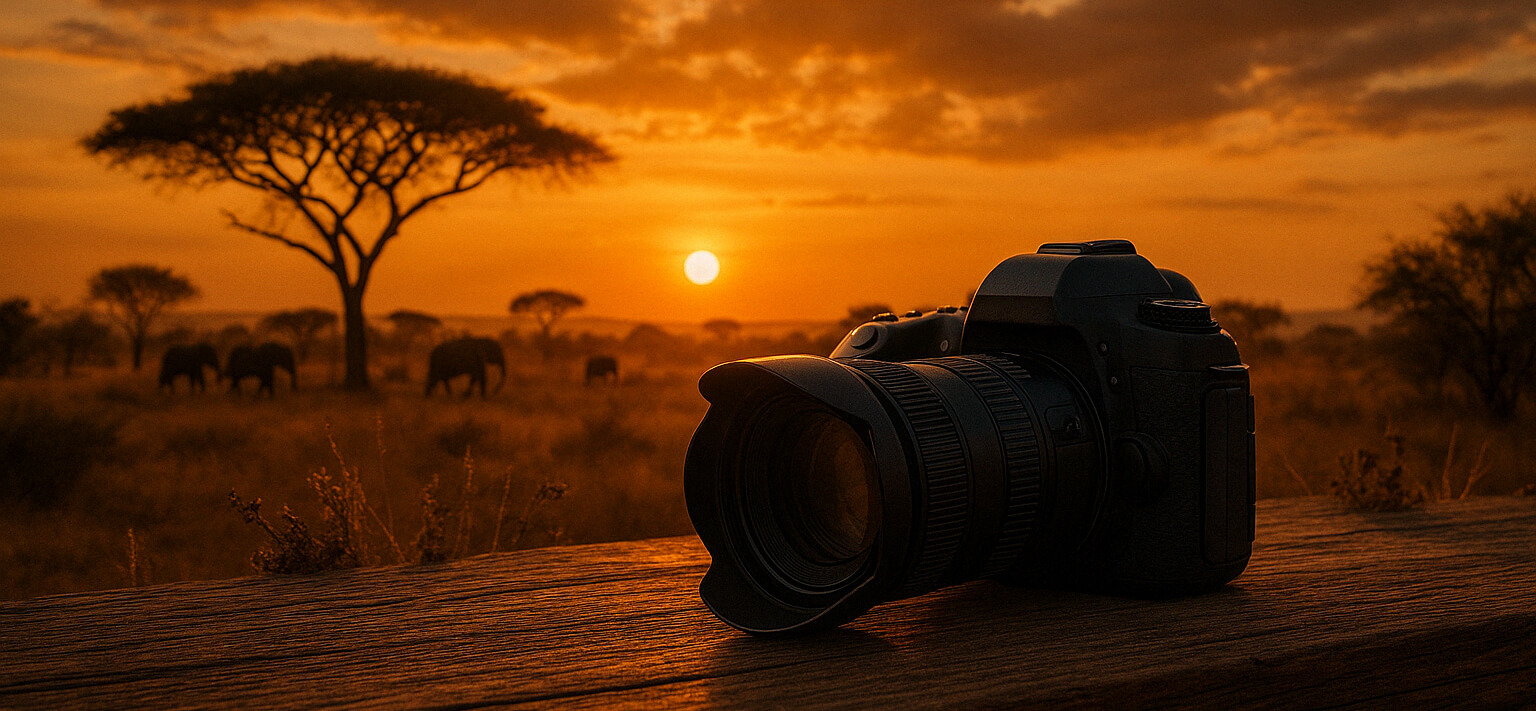
Light is the essence of all photography, and in nature photography, it is both a challenge and an opportunity. Understanding the quality, direction, and intensity of natural light is crucial to capturing stunning images. The „golden hour,“ which occurs shortly after sunrise and before sunset, provides a soft, warm light that enhances textures and adds depth to landscapes and wildlife. During this time, shadows are longer, and the light is diffused, creating a magical atmosphere.
For instance, consider photographing a forest during the golden hour. The low-angle sunlight filtering through the trees can create beautiful patterns on the forest floor, highlighting the lush greens and browns. This natural spotlighting can transform a simple scene into a captivating photograph.
Actionable Tip: To make the most of natural light, plan your photography sessions around the golden hour. Use a compass or a smartphone app to determine where the sun will rise or set, ensuring you’re in the right location to capture the light at its best.
Composing Your Shots for Maximum Impact
Composition is the art of arranging elements within your frame to create a balanced and engaging image. In nature photography, the rule of thirds is a fundamental technique that can significantly enhance your compositions. By dividing your frame into nine equal parts with two horizontal and two vertical lines, you can place your subject along these lines or at their intersections to create a more dynamic and balanced composition.
Imagine photographing a mountain range with a lake in the foreground. By aligning the horizon on the upper third of the frame and placing a solitary tree or rock on one of the intersections, you can guide the viewer’s eye through the photograph, creating a sense of depth and scale.
Actionable Tip: Practice the rule of thirds by using the grid overlay on your camera’s viewfinder or smartphone screen. Experiment with different compositions by shifting your subject’s position within the frame, and observe how this affects the overall balance and impact of your image.
Mastering the Art of Patience and Observation
Nature photography often requires a great deal of patience and the ability to keenly observe your surroundings. Wildlife and natural phenomena operate on their own schedules, and capturing the perfect moment can mean waiting for hours. This patience allows you to notice subtle changes in light, movement, and behavior, leading to more insightful and intimate photographs.
For example, photographing birds in their natural habitat demands not only patience but also an understanding of their behavior. By quietly observing their patterns and routines, you can anticipate moments of action, such as a bird taking flight or feeding its young.
Actionable Tip: Develop your patience by setting aside dedicated time for observation without the pressure of capturing an image. Bring a notebook to jot down notes on animal behavior, interesting compositions, or changes in light. This practice will enhance your ability to anticipate and capture decisive moments.
Utilizing Equipment Effectively
While a good camera can enhance your nature photography, understanding how to use your equipment can make a significant difference. Lenses, for instance, play a crucial role in determining the perspective and depth of your photographs. Wide-angle lenses are excellent for capturing expansive landscapes, while telephoto lenses allow you to photograph distant wildlife without disturbing them.
Consider photographing a wide-open field with a range of mountains in the background. A wide-angle lens can exaggerate the sense of space and lead the viewer’s eye into the distance, while a telephoto lens can compress the perspective, making the mountains appear larger and more imposing.
Actionable Tip: Familiarize yourself with the capabilities of your lenses by practicing with different focal lengths. Take the same shot with both a wide-angle and a telephoto lens, and compare the results to understand how lens choice affects composition and storytelling.