
Understanding the Best Time to Go on a Photo Safari
Choosing the right time for a photo safari in South Africa is crucial for capturing stunning wildlife images. The prime time for photography is during the dry season, which typically lasts from May to September. During this period, the foliage is less dense, making it easier to spot animals, and the reduced water sources draw wildlife to predictable locations, such as waterholes.
For example, visiting the Kruger National Park in August can offer magnificent opportunities to photograph elephants and lions as they gather around dwindling water sources. The natural lighting during early mornings and late afternoons can provide you with breathtaking backdrops.
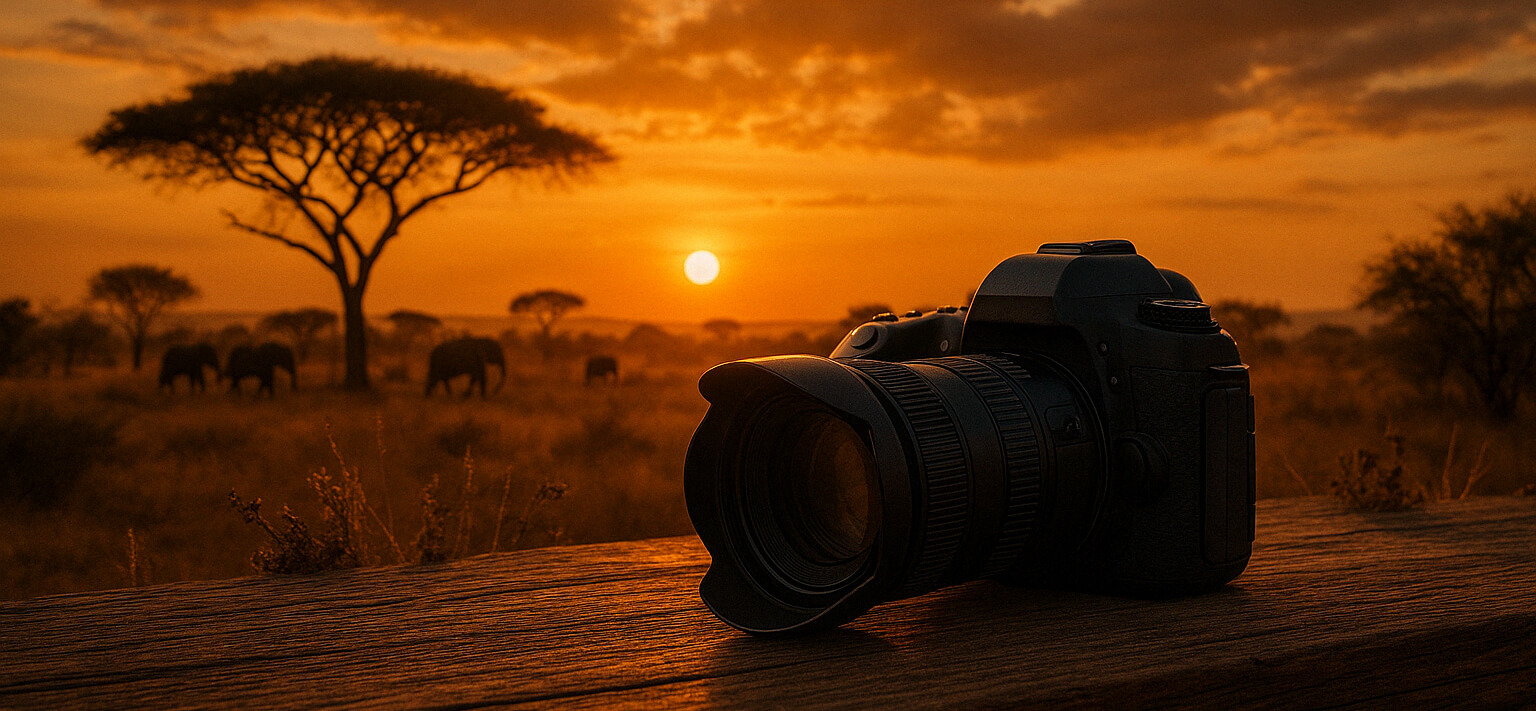
Actionable Tip: Plan your daily safari outings during the ‚golden hours’—shortly after sunrise and just before sunset. The soft, warm light during these times enhances the textures and colors in your photographs, offering a more professional look.
Choosing the Right Safari Gear and Equipment
Selecting the appropriate gear is essential for a successful photo safari. A DSLR or mirrorless camera with a telephoto lens is recommended for capturing distant wildlife. A lens with a focal length of 200-400mm is typically ideal. Additionally, consider bringing a wide-angle lens to capture the expansive landscapes and dramatic skies of South Africa.
A real-world example could involve a photographer using a 300mm lens to capture a close-up of a grazing rhinoceros while on safari in Hluhluwe-Imfolozi Park. The clarity and detail achieved with such equipment can make a significant difference in the quality of your photos.
Actionable Tip: Invest in a bean bag or a monopod for stabilizing your camera when shooting from a safari vehicle. This helps reduce camera shake and ensures your images remain sharp, especially when using long lenses.
Respecting Wildlife and Ethical Photography Practices
Ethical photography is paramount when on a photo safari. Respecting wildlife means keeping a safe distance and not interfering with their natural behavior. It’s important to remember that you are a guest in their environment. Avoid using flash photography as it can startle animals and disrupt their activities.
An example of ethical practice can be seen when photographers maintain a respectful distance from a pride of lions in the Sabi Sands Game Reserve, allowing the animals to behave naturally while still capturing incredible images.
Actionable Tip: Educate yourself on animal behavior and the signs of stress in wildlife. This knowledge will help you gauge when you are too close and need to back away, ensuring both your safety and the welfare of the animals.
Maximizing Your Experience with Local Guides
Local guides are invaluable resources during a photo safari. They possess in-depth knowledge of the terrain and animal habits, allowing you to be in the right place at the right time. Guides can also provide insights into the cultural and ecological significance of the areas you visit, enriching your overall experience.
For instance, a skilled guide in the Madikwe Game Reserve might lead you to an elusive leopard sighting, a rare opportunity that enhances your photography portfolio significantly.
Actionable Tip: Build a rapport with your guide and discuss your photography goals. By doing so, they can tailor the safari to your interests, increasing the chances of capturing the shots you envision.