
Understanding Natural Light
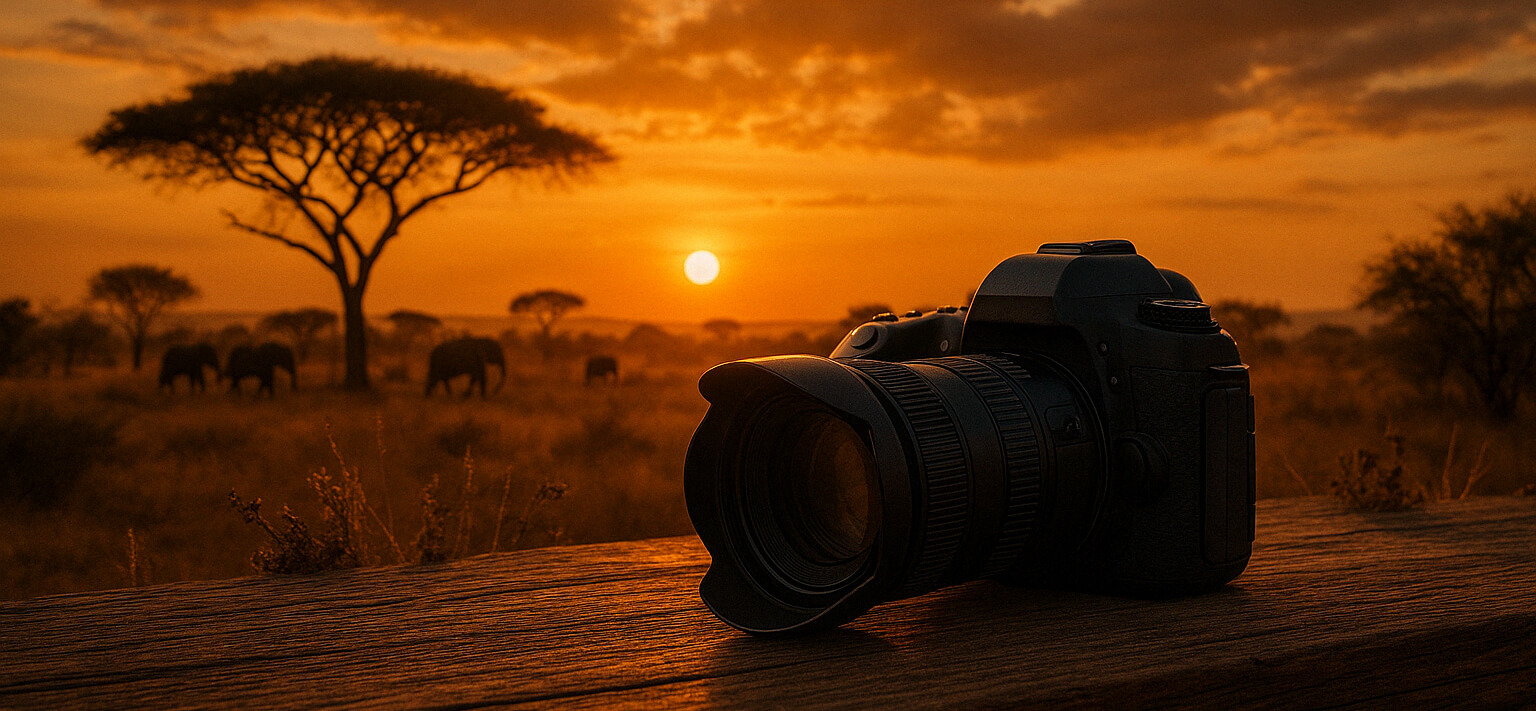
One of the fundamental aspects of nature photography is understanding and utilizing natural light. Natural light changes throughout the day, and recognizing these variations can significantly enhance your images. The golden hours, which occur shortly after sunrise and before sunset, provide a soft, warm glow that is ideal for capturing landscapes and wildlife.
Consider the example of a serene lake at sunrise. The gentle, golden light reflects off the water’s surface, casting a magical aura around the scene. This lighting not only enhances the colors but also adds depth and atmosphere to the photograph.
Actionable Tip: Experiment with shooting during different times of the day. Note the changes in shadows and color temperature. Practice capturing the same scene at various times to see how light transforms your subject.
Mastering Composition
Composition is crucial in guiding the viewer’s eye through your photograph and creating a harmonious image. The rule of thirds is a classic guideline that suggests dividing your frame into nine equal segments and placing your subject along these lines or intersections.
Imagine photographing a solitary tree in a vast field. By positioning the tree off-center using the rule of thirds, you create a more dynamic and compelling image. This composition allows the viewer’s gaze to wander naturally through the scene, exploring the balance between the subject and its surroundings.
Actionable Tip: Practice using the rule of thirds by enabling the grid feature on your camera or smartphone. Experiment with different compositions and observe how each arrangement affects the overall impact of the image.
Embracing Patience and Timing
Nature photography often requires patience and perfect timing. Wildlife, in particular, can be unpredictable, and capturing the perfect moment may take time. Being prepared and willing to wait can lead to rewarding results.
Consider the experience of photographing a bird in flight. Capturing the exact moment when the bird takes off, with its wings fully extended, can create a powerful image. This requires anticipation, patience, and readiness to press the shutter at just the right moment.
Actionable Tip: Spend time observing your subject before you start shooting. Note their behavior and movements. This understanding will help you anticipate actions and improve your chances of capturing those fleeting moments.
Choosing the Right Equipment
While skill and creativity are paramount, having the right equipment can enhance the quality of your nature photographs. Different lenses and camera settings can dramatically influence the outcome of your images.
For instance, using a telephoto lens can bring distant wildlife closer, allowing you to capture intricate details without disturbing the animal. In contrast, a wide-angle lens can be perfect for sweeping landscapes, providing a broader perspective of the scene.
Actionable Tip: Evaluate the type of nature photography you are most interested in and select equipment that suits your needs. If you’re starting out, consider renting different lenses to experiment and discover what works best for your style.