
Understanding Exposure
Exposure is a fundamental concept in photography that determines how light or dark an image will appear when captured. It is controlled by three main elements: aperture, shutter speed, and ISO. Mastering exposure is crucial because it affects the mood and clarity of your photographs.
Consider a scenario where you’re photographing a sunrise. To capture the vibrant colors effectively, you need to balance the exposure settings. A wide aperture (small f-number) can capture more light, a slower shutter speed can allow more light to hit the sensor, and a lower ISO can help maintain image quality without noise.
Technique: Practice the ‚Exposure Triangle‘. Choose a subject in varying lighting conditions. Experiment with different combinations of aperture, shutter speed, and ISO. Notice how these changes affect the image’s brightness and depth of field. Adjusting these settings manually helps you understand how to achieve the desired exposure.
Mastering Composition
Composition involves arranging elements within your frame to create a visually appealing photograph. It guides the viewer’s eye and enhances the overall impact of the image. Techniques like the Rule of Thirds, leading lines, and framing are essential tools in a photographer’s toolkit.
Imagine you’re photographing a landscape. By placing the horizon on the top or bottom third of the frame, you apply the Rule of Thirds, making the image more dynamic. Adding leading lines, such as a path or a river, can draw the viewer’s attention to a particular point of interest.
Technique: Use the grid feature on your camera to apply the Rule of Thirds. Start by placing key elements along the grid lines or at their intersections. This simple technique can significantly improve the balance and focus of your compositions.
Focusing Techniques
Achieving sharp focus is a critical skill in photography. It ensures that the main subject of your photograph is clear and detailed. Manual focus, autofocus modes, and focus points are tools that can help you achieve precision in your images.
When capturing a portrait, focusing on the subject’s eyes can create a connection with the viewer. Choosing the right autofocus mode, such as Single Point AF for stationary subjects, can help you maintain focus on the eyes, even if the subject moves slightly.
Technique: Switch your camera to manual focus mode and practice focusing on different subjects. Start with stationary objects, then try capturing moving subjects. This exercise will enhance your ability to quickly and accurately focus, regardless of the situation.
Utilizing Natural Light
Understanding how to use natural light effectively can transform your photography. The quality and direction of light influence the mood, texture, and color in your images. Recognizing the best times of day, like the golden hour, can help you capture stunning photographs.
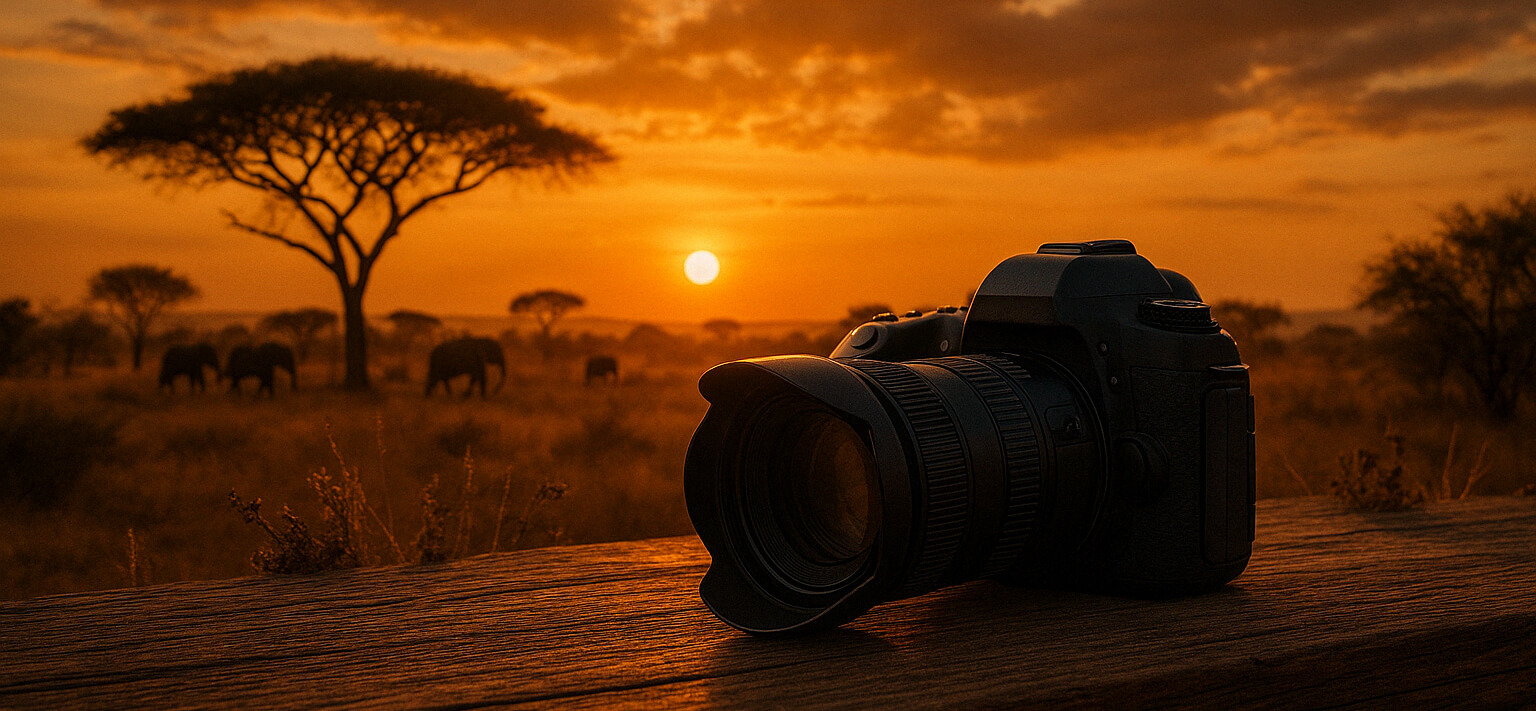
Consider shooting outdoors during the golden hour, which occurs shortly after sunrise or before sunset. The soft, warm light can add a magical quality to landscapes and portraits alike. It reduces harsh shadows and provides an even, flattering light on your subjects.
Technique: Plan a photoshoot during the golden hour. Observe how the light changes and experiment with different angles and positions relative to the light source. This practice will teach you to harness natural light creatively to enhance your photographs.