
Understanding Natural Light
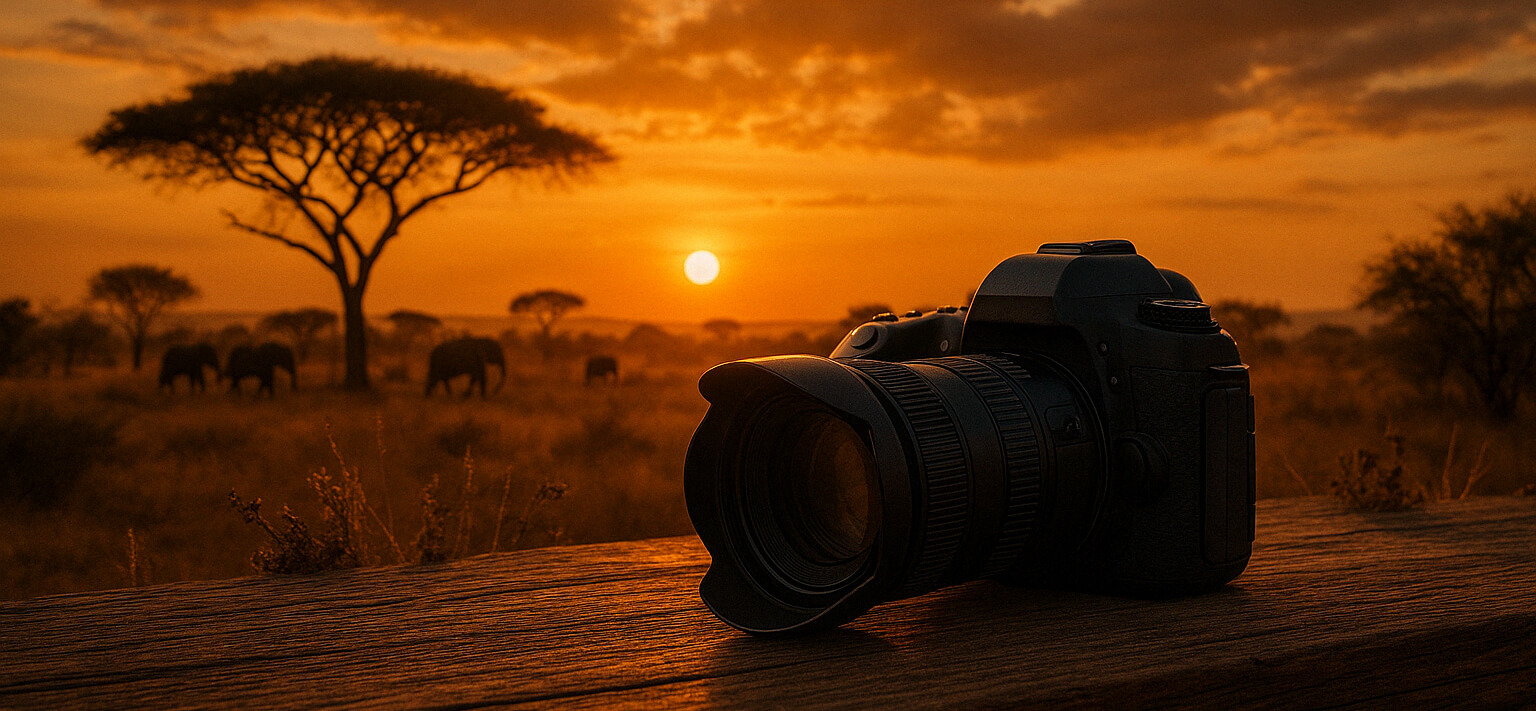
Natural light is the lifeblood of nature photography. It can transform ordinary landscapes into extraordinary scenes. The quality, direction, and color of light vary throughout the day, creating different opportunities for capturing striking images.
For instance, the golden hour, which occurs shortly after sunrise and before sunset, is renowned for its soft and warm tones that enhance the natural beauty of a landscape. Consider the way the light filters through the trees in a dense forest, casting long shadows that add depth and texture to your images.
Actionable Tip: To make the most of natural light, plan your shoots around these times. Arrive early to set up and observe how the light changes the environment. Use the soft, directional light to emphasize textures and create a mood that resonates with your audience.
Mastering Composition
Composition is pivotal in directing the viewer’s eye and conveying the story you want to tell. The rule of thirds is a fundamental principle that can help create balanced and engaging images. By placing your subject off-center, you can create a more dynamic composition that draws the viewer in.
Consider photographing a majestic mountain range. Align the peaks along one of the third lines and let a river leading into the scene guide the viewer’s eye toward the subject. This technique can add a sense of movement and balance to your photograph.
Actionable Tip: Practice using the rule of thirds by enabling grid lines on your camera. Experiment with different compositions by moving your camera or changing your perspective, and notice how these adjustments affect the balance and interest of your images.
Capturing Movement in Nature
Movement is a dynamic element that can breathe life into your nature photographs. Whether it’s the gentle sway of grass in the wind or the powerful rush of a waterfall, capturing movement effectively can convey emotion and energy.
Imagine photographing a flowing river. By adjusting your shutter speed, you can either freeze the motion of the water, capturing each droplet in sharp detail, or slow it down to create a silky, smooth effect that highlights the river’s continuous flow.
Actionable Tip: Experiment with shutter speed to capture movement. Use a tripod to stabilize your camera, and try different speeds to either freeze or blur motion. This technique allows you to explore new creative possibilities in your nature photography.
Respecting Wildlife and Environment
As a nature photographer, it’s crucial to respect the wildlife and environment you are capturing. Your presence should be as unobtrusive as possible to avoid disturbing the natural habitat and behavior of the animals you photograph.
Picture yourself photographing a family of deer in a forest. By maintaining a respectful distance and using a telephoto lens, you can capture intimate moments without intruding on their space, preserving the authenticity of the scene.
Actionable Tip: Invest in a quality telephoto lens to photograph wildlife from a distance. Always adhere to ethical guidelines, such as leaving no trace and minimizing noise, to ensure that you are a considerate and responsible photographer.