
Understanding Exposure: The Foundation of Photography
Exposure is one of the fundamental concepts in photography that every beginner needs to grasp. It refers to the amount of light that reaches your camera’s sensor, ultimately determining how bright or dark your photo appears. The three main elements that control exposure are aperture, shutter speed, and ISO—commonly referred to as the exposure triangle.
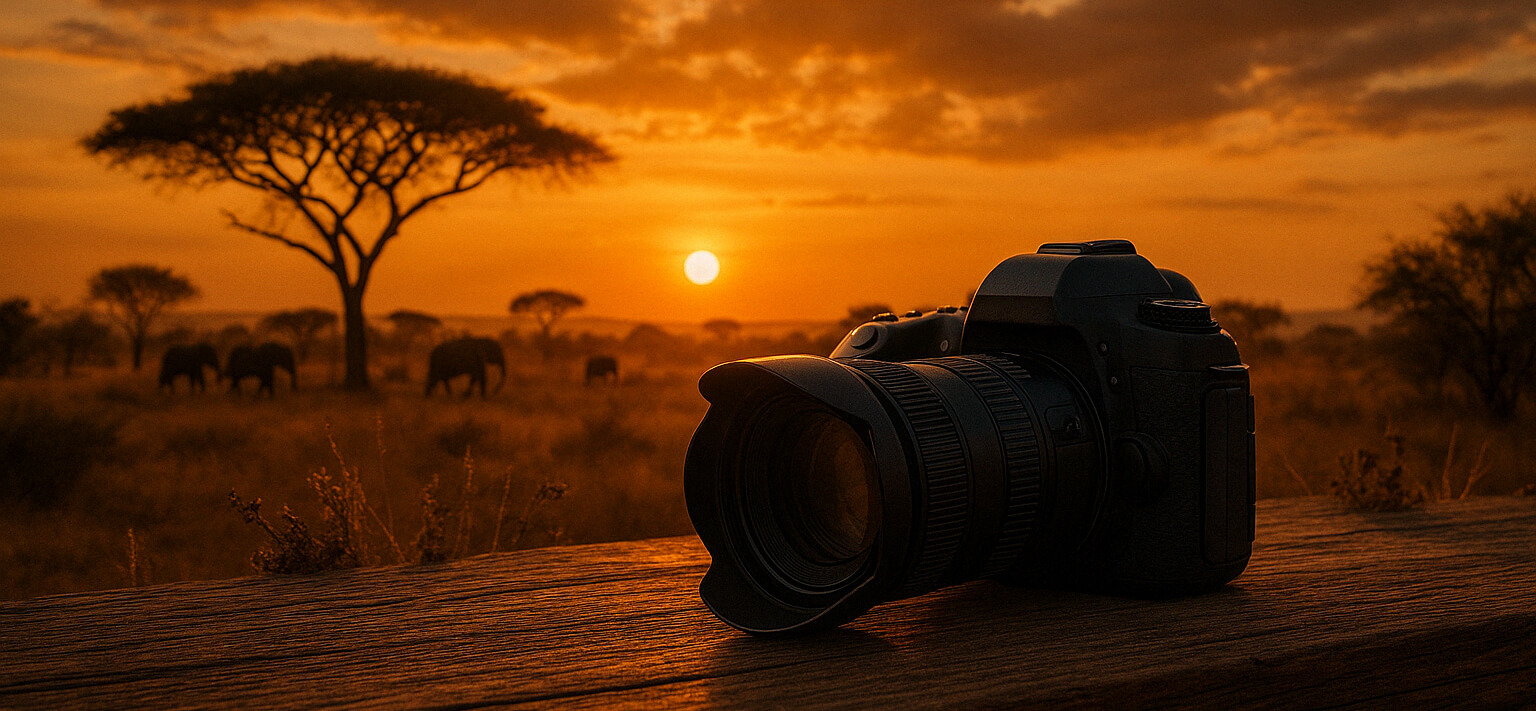
For instance, if you’re photographing a landscape during the golden hour, you’ll want to achieve an optimal exposure where the details in both the shadows and highlights are visible. By setting a wide aperture (like f/4), a slower shutter speed, and a low ISO, you can capture a well-exposed image with minimal noise.
As an actionable tip, switch your camera to manual mode and practice adjusting these three settings. Start by taking photos in a controlled environment, like your backyard, and experiment with different combinations of aperture, shutter speed, and ISO to see how they affect the final image.
Mastering Composition: Create Visually Appealing Images
Composition is the art of arranging elements within a frame to create a balanced and aesthetically pleasing image. It involves understanding how different parts of the scene interact and guide the viewer’s eye. Techniques like the rule of thirds, leading lines, and framing are essential for creating strong compositions.
Imagine you’re capturing a portrait. Placing your subject off-center using the rule of thirds can add interest and draw the viewer’s attention to the subject’s eyes. Incorporating natural elements, such as a window frame or tree branches, can also create a sense of depth and context.
Try this technique: Use the grid feature on your camera’s viewfinder to apply the rule of thirds. Place key elements along the grid lines or at their intersection points. Take multiple shots from different angles and distances to see how composition changes the impact of your images.
Learning About Lighting: The Key to Mood and Atmosphere
Lighting is crucial in photography, as it can significantly alter the mood and atmosphere of your images. Understanding how to manipulate natural and artificial light will enable you to produce dynamic and compelling photographs. Soft, diffused light typically creates a gentle and flattering effect, while harsh, direct light can add drama and contrast.
Consider a scenario where you’re photographing a street scene at midday. The direct sunlight might cast harsh shadows, but by positioning your subject under a shaded area, you can achieve more even lighting. Alternatively, shooting during the golden hour provides warm, soft lighting that enhances the scene’s beauty.
Actionable tip: Play with light by photographing at different times of the day. Observe how the light changes and impacts your subjects. Use reflectors or diffusers to manipulate light and create the desired effect.
Post-Processing Techniques: Enhancing Your Images
Post-processing is the final step in creating polished photographs. It involves using software like Adobe Lightroom or Photoshop to enhance and refine your images. This process can include adjusting exposure, correcting color balance, cropping, and removing unwanted elements.
Imagine you’ve taken a landscape photo, but the sky appears dull. By adjusting the contrast and saturation in post-processing, you can bring out the vibrant colors and make the image more visually striking. However, it’s important to strike a balance and avoid over-editing, which can lead to unnatural results.
Tip for beginners: Start with basic adjustments like exposure, contrast, and saturation. Experiment with these settings to see how they affect your photos. Over time, you can explore more advanced techniques, such as selective editing and using presets to streamline your workflow.