
Understanding Natural Light
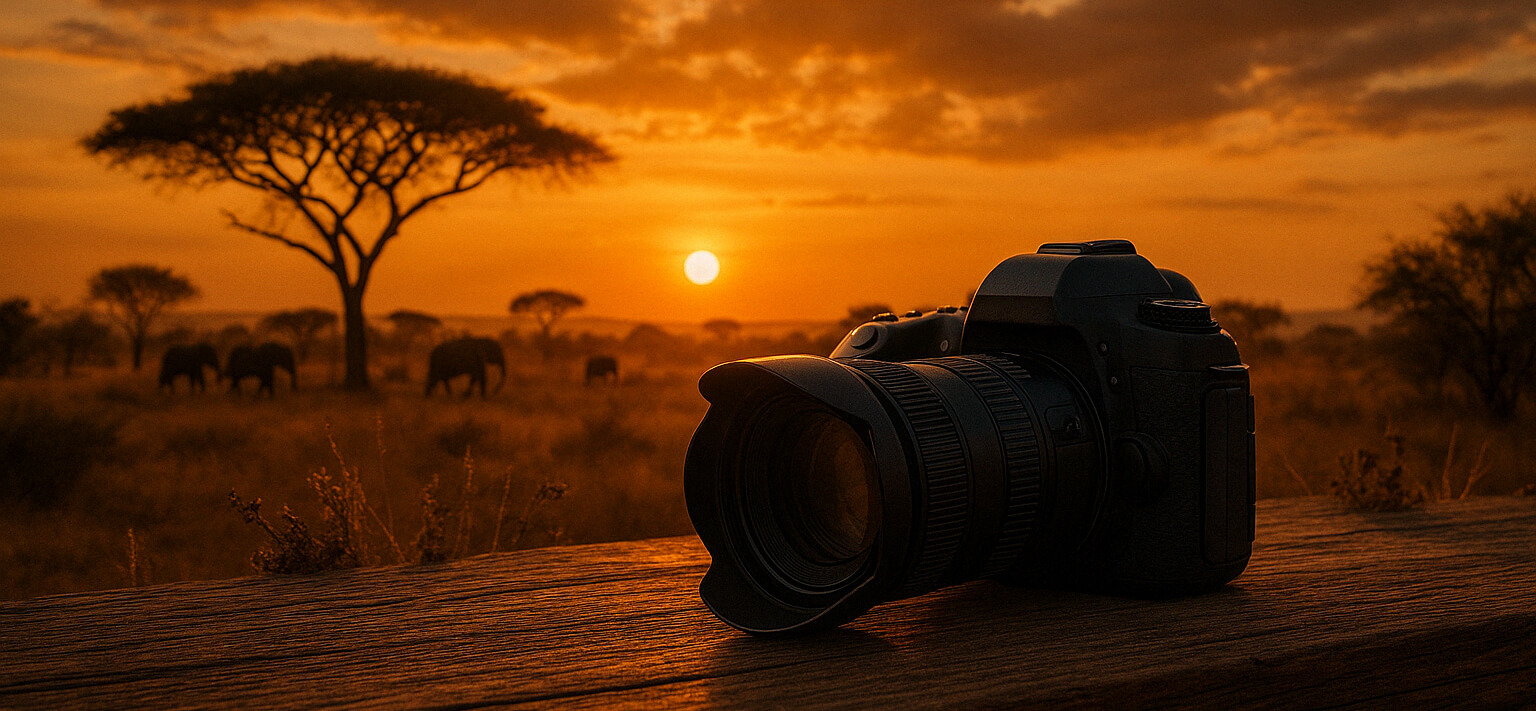
Light is the most critical element in photography, and understanding how to work with natural light is essential for capturing breathtaking nature photos. The quality, direction, and color of light can dramatically alter the mood and appearance of an image.
For instance, the golden hour, right after sunrise or before sunset, offers a soft and warm light that enhances textures and adds a magical quality to landscapes. In contrast, midday light can create harsh shadows and washed-out colors, making it less ideal for nature photography.
To make the most of natural light, observe your scene at different times of the day. Note how the light changes and how it affects the elements in the frame. Try photographing the same scene at different times to see which lighting condition best complements your subject. One actionable technique is to use a reflector to bounce light onto your subject, reducing shadows and highlighting details.
Mastering Composition with the Rule of Thirds
Composition is a fundamental aspect of photography that guides the viewer’s eye and creates a balanced image. The rule of thirds is a powerful compositional tool that involves dividing your frame into a 3×3 grid and placing key elements along the grid lines or at their intersections.
Consider a photo of a mountain range. Placing the horizon along the top third of the frame can emphasize the vastness of the land below, while positioning a solitary tree at an intersection point can draw attention to its unique shape against the backdrop.
An actionable tip is to use your camera’s grid overlay feature, if available, to help you visualize and apply the rule of thirds while shooting. Practice aligning your subject with the grid lines until it becomes second nature, enhancing the overall balance and interest in your compositions.
Capturing Movement in Nature
Nature is full of movement, from the gentle sway of tree branches to the rapid flow of a waterfall. Capturing this movement can convey a sense of dynamism and life in your photos. Mastering shutter speed is key to achieving the desired effect.
For example, if you want to capture the silky smooth flow of a river, a slow shutter speed, such as 1/4 second, can create a dreamy effect. Conversely, to freeze the action of a bird in flight, a fast shutter speed of 1/1000 second or faster is necessary.
One technique to try is using a tripod to stabilize your camera when using slow shutter speeds. This prevents camera shake and ensures sharp images. Experiment with different shutter speed settings to learn how they impact the sense of movement in your scenes.
Enhancing Detail with Macro Photography
Macro photography allows photographers to explore the intricate details of nature that are often overlooked. This style is perfect for capturing the delicate patterns on a butterfly’s wings or the dew on a spider’s web.
Using a macro lens, you can focus on subjects at a very close range, revealing textures and details that add depth to your images. For instance, photographing a flower at a macro level can bring out the subtle gradations of color and the tiny structures within the petals.
An actionable tip is to use manual focus when shooting macro images. Autofocus can struggle with the shallow depth of field characteristic of macro photography. By manually adjusting focus, you have greater control over which part of the subject is sharp, allowing you to highlight the most interesting details.