
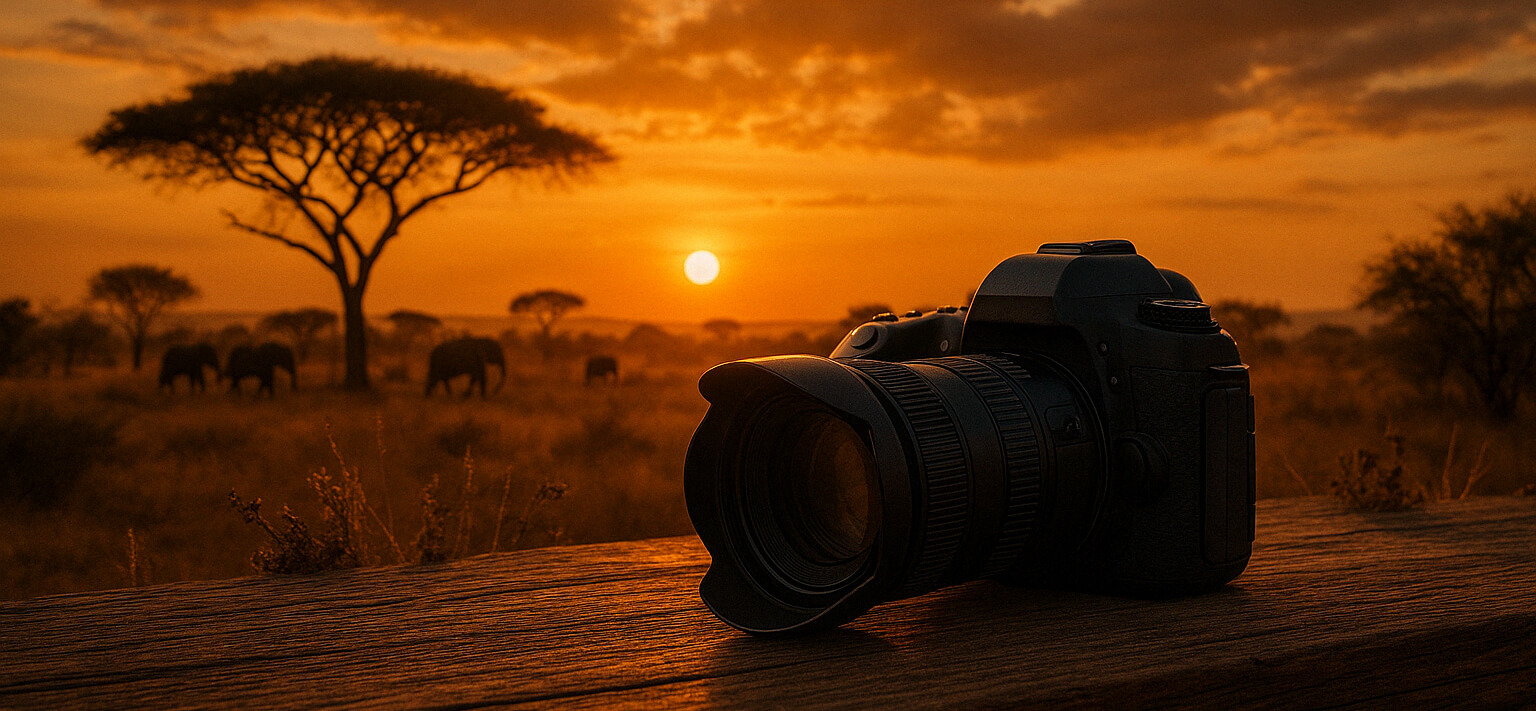
Understanding Natural Light
Natural light is one of the most critical elements in nature photography. The way sunlight interacts with the landscape can dramatically influence the mood and composition of your photographs. Early mornings and late afternoons, commonly referred to as the „golden hours,“ provide soft, warm light that can make your landscape shots glow with a unique hue. Midday light, on the other hand, tends to be harsher and can create strong shadows, which might be challenging to work with.
For instance, capturing a field of wildflowers at sunrise can result in a stunning image where the light gently highlights the morning dew on the petals. The direction and quality of the light can transform a simple scene into something extraordinary, as the soft illumination accentuates colors and textures.
Actionable Tip: Plan your shoots around the golden hours to take advantage of the optimal lighting conditions. Experiment with backlighting during these times, where the sunlight comes from behind your subject, creating a halo effect that can add depth and interest to your photos.
Composing Your Shot
Composition is about arranging the elements within your frame to create a balanced and visually appealing image. The rule of thirds is a foundational principle that can guide you. By dividing your frame into a 3×3 grid and placing key elements along these lines or at their intersections, you can create more dynamic and engaging photographs.
Consider a photograph of a lone tree on a hillside. Placing the tree off-center, perhaps on one of the vertical lines of the rule of thirds grid, can make the image more compelling than if it were centered. This composition draws the viewer’s eye naturally through the scene and adds a sense of scale and space.
Actionable Tip: Practice using the rule of thirds by turning on the grid function in your camera or smartphone. This will help you visualize the composition and consistently apply this technique until it becomes second nature.
Capturing Movement
Nature is full of movement, from a rushing waterfall to a gentle breeze swaying the trees. Capturing movement in your photographs can convey energy and tell a story. Shutter speed is the key to freezing or blurring motion effectively. A fast shutter speed will capture a sharp image of moving subjects, while a slow shutter speed can create a beautiful blur effect, often seen in images of flowing water.
Imagine photographing a river. Using a slow shutter speed, such as 1/4 of a second, can transform the flowing water into a silky smooth surface, highlighting the serene nature of the scene. In contrast, a faster shutter speed, like 1/500 of a second, will freeze individual droplets, conveying power and action.
Actionable Tip: Experiment with different shutter speeds to capture various types of movement. Use a tripod to stabilize your camera when using slower speeds to prevent camera shake and ensure your static elements remain sharp.
Mastering Focus and Depth of Field
Achieving the right focus and depth of field (DoF) is crucial in nature photography to ensure that your images are sharp and your subject stands out. Depth of field refers to the range of distance within a photo that appears acceptably sharp. A wide aperture (small f-number) creates a shallow depth of field, ideal for isolating subjects against a blurred background, while a narrow aperture (large f-number) increases the depth of field, keeping more of the scene in focus.
For example, photographing a butterfly on a flower with a wide aperture like f/2.8 can make the butterfly the focal point and blur the background, drawing attention to it. Conversely, using an aperture like f/16 for a landscape shot ensures both the foreground and background are in focus, capturing details throughout the scene.
Actionable Tip: Adjust your aperture based on your subject and desired effect. For portraits of flora or fauna, use a wide aperture to create a pleasing bokeh. For landscapes, increase your DoF to capture the entire vista.