
Understanding the Unique Wildlife of South Africa
South Africa is home to some of the most diverse and awe-inspiring wildlife in the world, making it a prime destination for photo safaris. The country is renowned for the „Big Five“: lions, leopards, rhinoceroses, elephants, and Cape buffaloes. These animals are the cornerstone of wildlife photography safaris, offering a chance to capture their majestic presence in their natural habitats.
For example, the Kruger National Park is one of the most popular destinations for wildlife photographers. Spanning over 19,000 square kilometers, it provides ample opportunities to observe and photograph these incredible creatures. Photographers have captured breathtaking images of a pride of lions basking in the sun, illustrating the raw beauty and strength of these animals.
To make the most of photographing wildlife in South Africa, one actionable tip is to research the habits and habitats of your target species before your trip. Understanding when and where these animals are most active will increase your chances of capturing stunning photographs. Consider using a telephoto lens to get close-up shots without disturbing the animals.
Choosing the Right Equipment for a Photo Safari
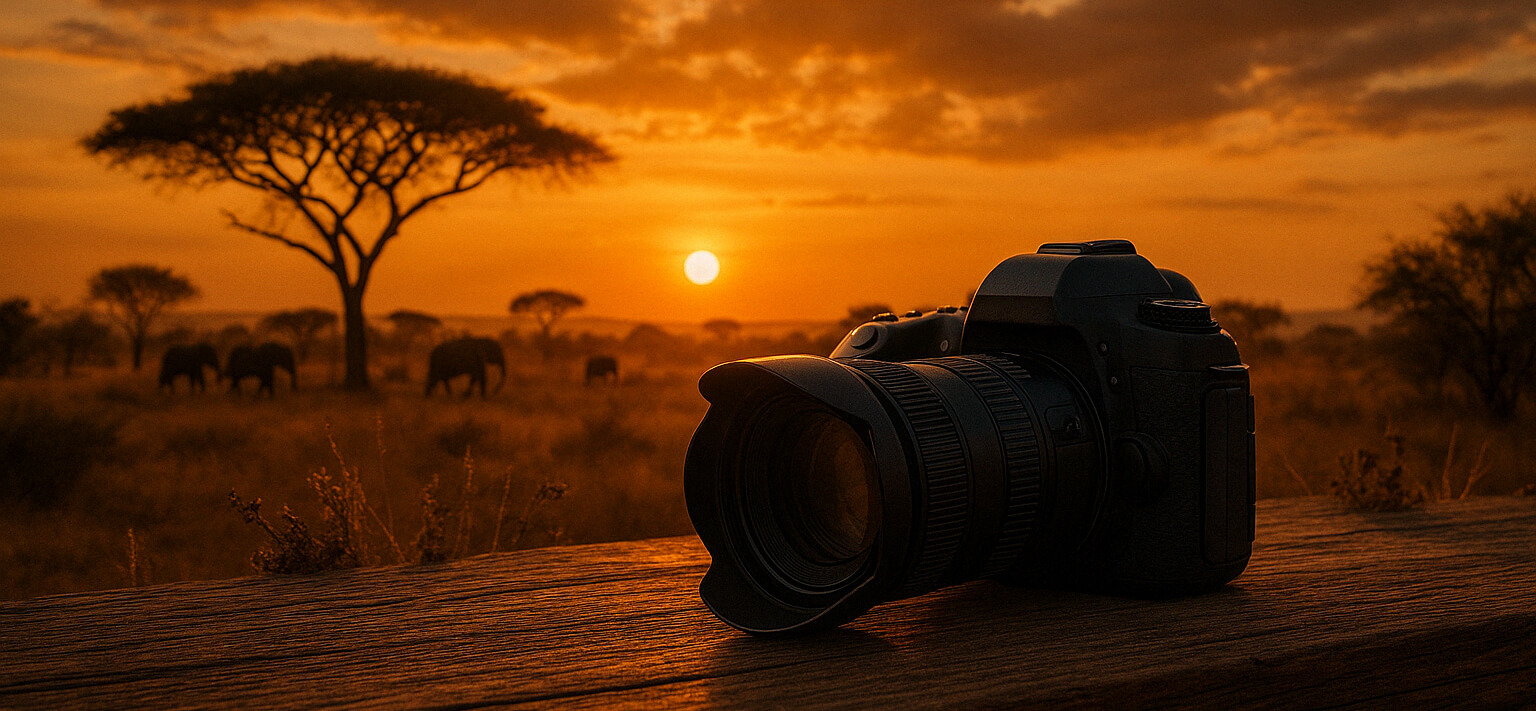
Embarking on a photo safari requires careful consideration of your photography equipment. While it’s tempting to pack every piece of gear you own, it’s essential to select only the most practical and versatile items for the trip. A digital SLR or mirrorless camera with interchangeable lenses is ideal, providing flexibility in different shooting scenarios.
For instance, many photographers recommend bringing a camera body with a full-frame sensor for superior image quality and low-light performance. Pairing this with a versatile zoom lens, such as a 70-200mm, allows you to capture a range of subjects from wide landscapes to distant wildlife. On a recent safari, a photographer used this setup to capture a stunning shot of elephants crossing a river at sunset, highlighting the importance of having the right lens for the situation.
An actionable technique is to familiarize yourself with your gear before heading out. Practice adjusting settings quickly, as wildlife moments can be fleeting. Additionally, ensure you have plenty of memory cards and backup batteries to avoid missing out on any incredible shots.
Understanding and Respecting Local Cultures and Ecosystems
Photo safaris in South Africa offer more than just wildlife photography; they provide an opportunity to engage with local cultures and ecosystems. Respecting these aspects is crucial to ensuring a positive and ethical experience. Many safari operators work closely with local communities and conservation efforts, contributing to the preservation of both cultural heritage and natural environments.
A real-world example of this is the collaboration between safari lodges and local tribes in the KwaZulu-Natal region. These partnerships not only support the local economy but also offer photographers unique insights and access to cultural experiences that enrich their photography journey.
An actionable tip is to engage with local guides and communities during your safari. They can provide invaluable knowledge and insights that enhance your understanding of the area you’re photographing. Always follow their guidance to avoid disrupting wildlife and ecosystems, and be mindful of cultural sensitivities when capturing images of people and cultural sites.
Maximizing Your Photography Experience with Guided Tours
Participating in a guided photo safari tour can greatly enhance your photography experience in South Africa. These tours are led by experienced guides and photographers who know the best locations and times to observe wildlife. They can offer practical advice on composition, lighting, and camera settings tailored to the unique conditions of the African bush.
A notable example is the photographic safari tours offered in the Sabi Sands Game Reserve. Known for its incredible leopard sightings, these tours provide photographers with unparalleled access to these elusive creatures. On a previous tour, a photographer captured an intimate portrait of a leopard resting in a tree, thanks to the expert guidance on positioning and timing.
One actionable technique is to take full advantage of the knowledge and expertise offered by your tour guides. Don’t hesitate to ask questions or seek advice on improving your photography skills. Additionally, consider joining workshops or masterclasses that may be available as part of the tour package, further enhancing your learning experience.