
Understanding Light and Timing in Nature Photography
Light is an essential element in all forms of photography, but in nature photography, it plays a particularly crucial role in setting the mood and enhancing the beauty of the scene. The quality, direction, and intensity of light can dramatically alter the appearance of your subject. Understanding these aspects will help you capture breathtaking images of nature.
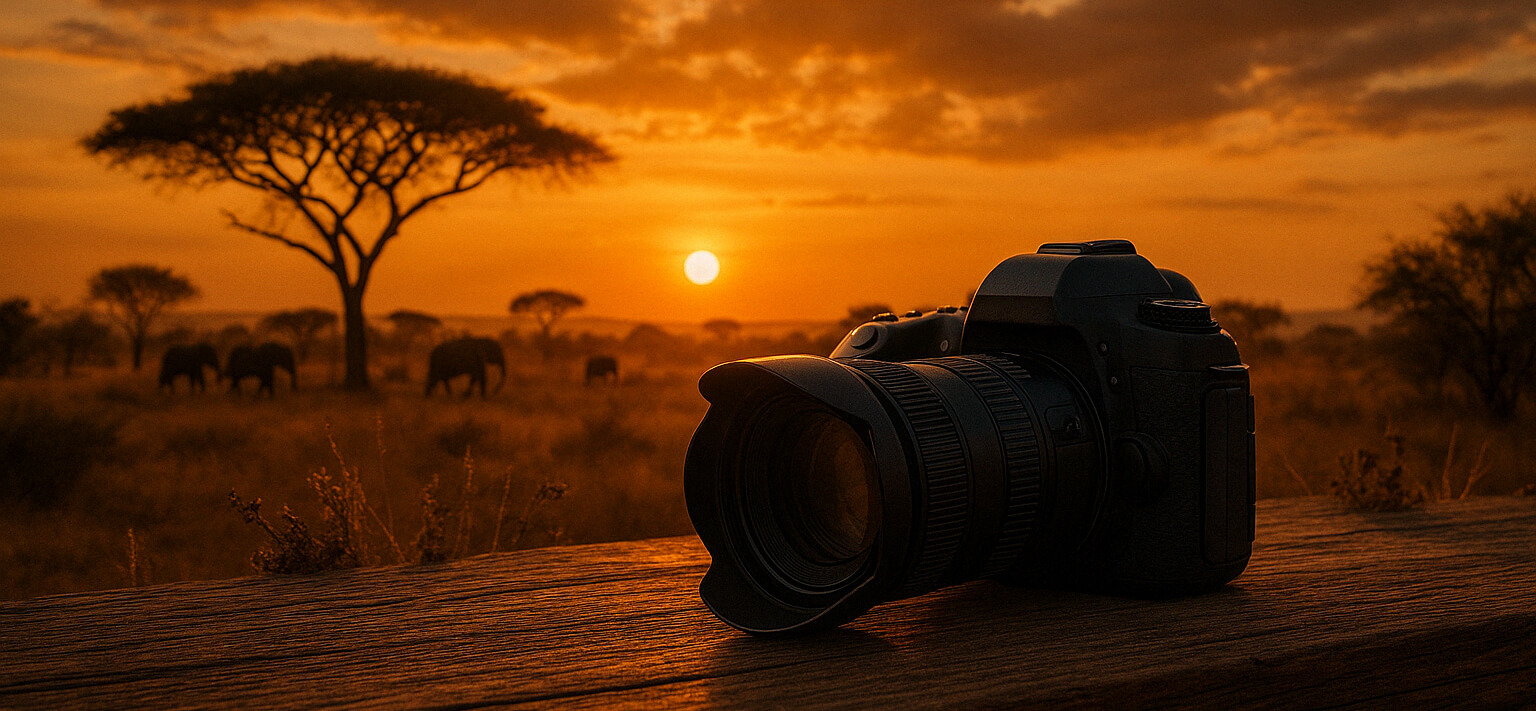
For instance, the golden hours—shortly after sunrise and before sunset—are renowned for their soft, warm light that can add a magical quality to your photos. A landscape captured during this time can appear more vivid and inviting, with long shadows adding depth and dimension.
Actionable Tip: Plan your shoots around the golden hours to take advantage of natural light. Keep an eye on weather forecasts, as overcast skies can also provide soft, diffused light perfect for capturing intricate details in plants and wildlife without harsh shadows.
Mastering Composition Techniques
Composition is key in guiding the viewer’s eye through your photograph and emphasizing the beauty of natural scenes. Techniques such as the rule of thirds, leading lines, and framing can transform a simple photograph into a compelling story.
A practical example of effective composition is using leading lines, like a winding river or a path through a forest, to draw the viewer’s eye into the scene. This technique not only adds depth but also creates a sense of journey and exploration.
Actionable Tip: Practice using the rule of thirds by mentally dividing your frame into nine equal segments and placing key elements along these lines or their intersections. This can create a more balanced and engaging composition, leading to more appealing images.
Capturing Wildlife with Patience and Precision
Wildlife photography requires a blend of patience, precision, and a deep understanding of animal behavior. Capturing animals in their natural habitat can be incredibly rewarding but demands careful preparation and respect for the subjects.
Consider the example of photographing birds. To capture a bird in flight, you need to anticipate its movements and make quick adjustments to your camera settings. This involves understanding the bird’s habits and being ready to capture the shot at the right moment.
Actionable Tip: Use continuous shooting mode to increase your chances of capturing the perfect moment. Pre-focus on a spot where you expect the animal to appear, and be ready to shoot as soon as it enters the frame.
Utilizing Equipment Effectively in Nature Photography
While a good eye and creative vision are vital, the right equipment can significantly enhance your nature photography experience. From choosing the correct lens to understanding the capabilities of your camera, equipment knowledge is crucial.
For example, a telephoto lens is invaluable for wildlife photography, allowing you to capture subjects from a distance without disturbing them. On the other hand, a wide-angle lens can be perfect for sweeping landscapes, capturing the entire scene in one frame.
Actionable Tip: Familiarize yourself with your camera settings and practice using different lenses for various scenarios. Experiment with aperture settings to play with depth of field, allowing you to isolate your subject or capture expansive landscapes with everything in focus.