
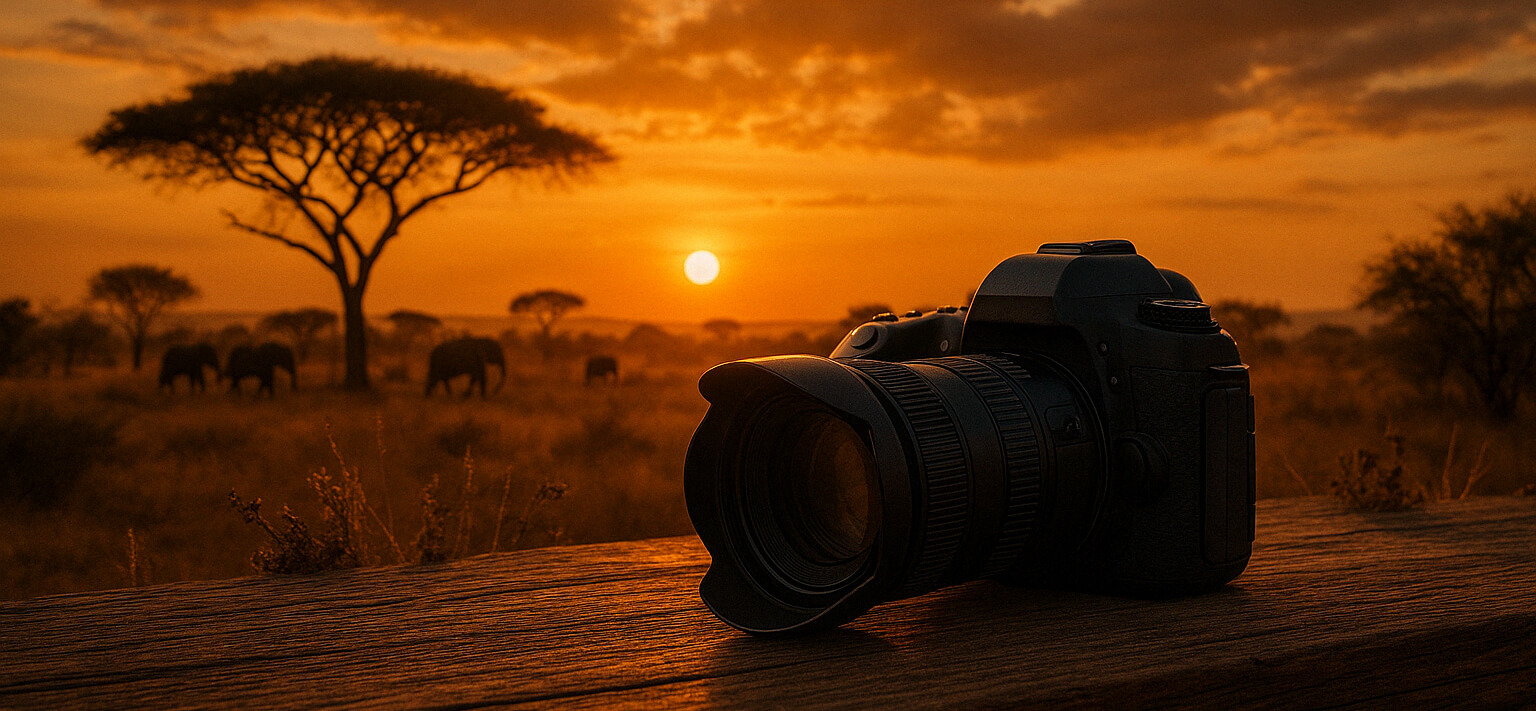
Mastering Exposure: The Foundation of Great Photography
Understanding exposure is crucial for capturing stunning images. Exposure refers to how much light reaches the camera sensor, determining the brightness of a photo. It is controlled by three elements: aperture, shutter speed, and ISO. The balance of these three parameters is known as the exposure triangle.
Consider a landscape photograph taken during the golden hour, the period shortly after sunrise or before sunset. A wide aperture (e.g., f/2.8) will let in more light and create a shallow depth of field, blurring the background. A slower shutter speed (e.g., 1/60s) allows more light but requires a steady hand or tripod to avoid motion blur. Lastly, a low ISO (e.g., ISO 100) minimizes noise for a cleaner image.
Actionable Tip: Practice shooting in manual mode to gain full control over your camera’s exposure settings. Experiment with different combinations of aperture, shutter speed, and ISO to see how they affect your photos. Start by taking the same scene with varied settings and analyze the differences.
The Art of Composition: Creating Captivating Images
Composition is the art of arranging elements within a frame to create a visually appealing photograph. One fundamental rule of composition is the Rule of Thirds. By dividing the frame into a grid of nine equal parts, placing key elements along these lines or intersections can create balance and interest.
A portrait photograph is an excellent example of using the Rule of Thirds. Position the subject’s eyes along the top third line to draw viewers‘ attention and create a more dynamic composition. This technique is particularly effective in avoiding central compositions that can appear static or dull.
Actionable Tip: Enable the grid feature on your camera or smartphone. Use it as a guide to align your subjects according to the Rule of Thirds. This habit will help you naturally compose more engaging photographs over time.
Lighting Techniques: Enhancing Mood and Atmosphere
Lighting is a powerful tool in photography that influences mood, texture, and depth. Natural light, flash, and reflectors are common sources used to manipulate lighting in photography. Understanding how to use light creatively can transform ordinary scenes into extraordinary images.
Consider a food photography scenario where natural light is utilized to highlight textures and colors. Positioning the dish near a window with diffused sunlight can enhance its appeal. Using a white reflector opposite the light source fills in shadows, creating a balanced and appetizing look.
Actionable Tip: Experiment with backlighting by placing the light source behind your subject. This technique can create a silhouette effect or add a halo-like glow, especially effective in portrait and nature photography.
Post-Processing: Refining Your Images
Post-processing is the final step in photography, where images are refined and enhanced using software like Adobe Lightroom or Photoshop. This process involves adjusting exposure, color balance, sharpness, and other elements to produce a polished final image.
For instance, a landscape photo captured on an overcast day might appear flat. By increasing contrast and adjusting the white balance in post-processing, the image can gain depth and warmth, making the scene more inviting.
Actionable Tip: Start with simple adjustments such as cropping, straightening, and correcting exposure. Gradually explore more advanced features like selective color correction and gradient filters to bring out the best in your photographs.