
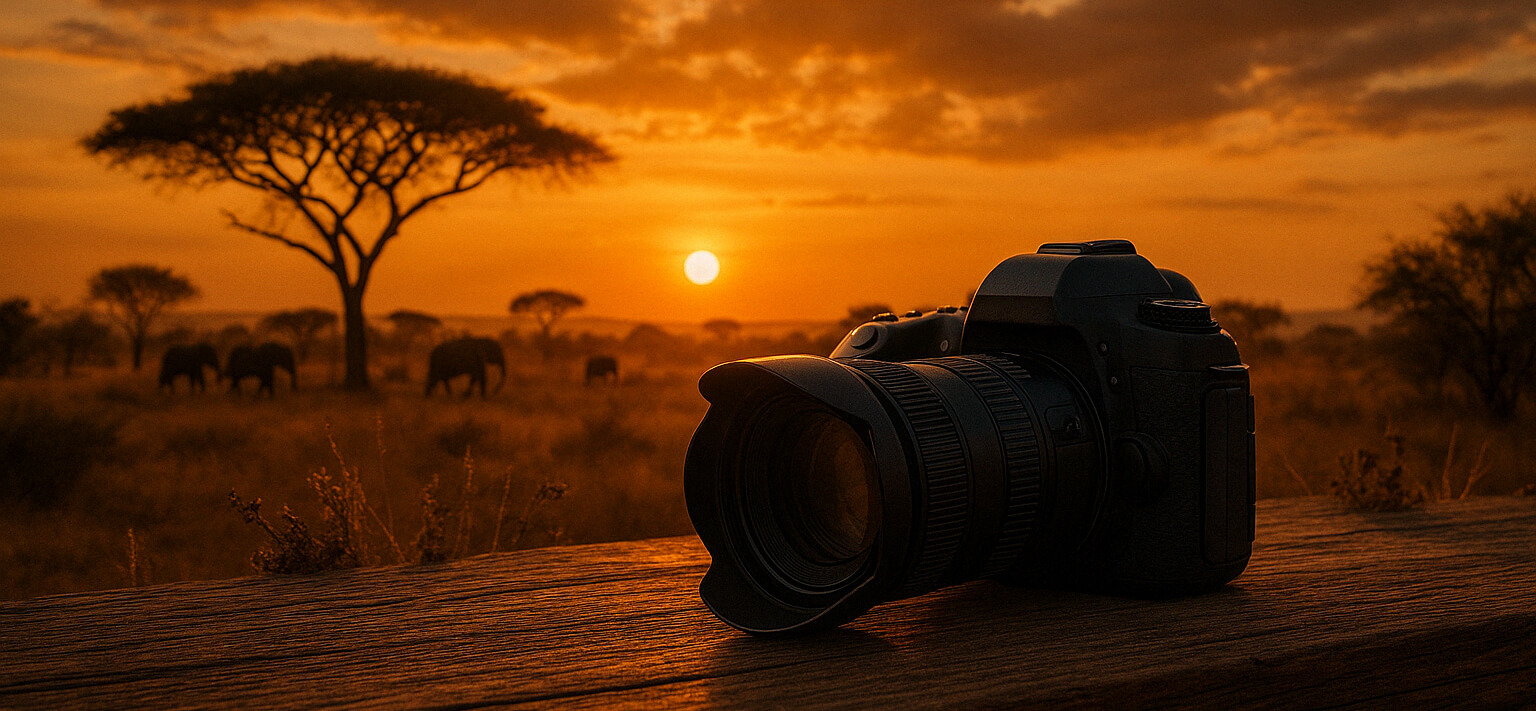
Understanding the Terrain and Wildlife
South Africa is a land of diverse landscapes, ranging from the vast savannas of Kruger National Park to the lush wetlands of KwaZulu-Natal. Knowing the terrain will help you anticipate the type of wildlife you might encounter and the best techniques for capturing them. For instance, the open plains of the savanna are perfect for photographing large herds of elephants, while the dense foliage of the forest regions offers opportunities to capture elusive leopards.
Consider the experience of renowned wildlife photographer Greg du Toit, who captured stunning images of lions in the golden hour at the Maasai Mara. His understanding of the terrain allowed him to position himself perfectly for the best lighting conditions, resulting in iconic photographs that convey the majesty of these creatures.
Actionable Tip: Before your safari, research the specific areas you will visit. Look for maps and guides on the types of wildlife and the best times and locations for sightings. This preparation will increase your chances of capturing unique shots.
Choosing the Right Equipment
Having the right equipment is crucial for a successful photo safari. A DSLR or mirrorless camera with a telephoto lens is essential for capturing distant wildlife. A lens with a focal length of at least 300mm is recommended, allowing you to get close-up shots without disturbing the animals. Additionally, a sturdy tripod and a bean bag for stability in a moving vehicle can greatly enhance your shooting experience.
Consider the work of photographer Beverly Joubert, who uses a range of Canon and Nikon cameras along with a variety of lenses to capture captivating images of African wildlife. Her ability to select the right gear for different situations has resulted in breathtaking photographs that have been published worldwide.
Actionable Tip: Test your equipment before your trip. Practice using different lenses and settings to become familiar with your camera’s capabilities. This will ensure you’re ready to capture that perfect moment without fumbling with your gear.
Mastering Lighting and Composition
Lighting is one of the most critical elements in wildlife photography. The golden hours—shortly after sunrise and before sunset—offer the best lighting conditions, providing soft, warm hues that add depth and dimension to your photos. Composition is equally important. The rule of thirds, leading lines, and framing can transform a good photo into a great one.
Photographer Art Wolfe is known for his impeccable use of lighting and composition, skillfully capturing the dramatic interplay of light and shadow in his wildlife images. By understanding these elements, he creates photos that not only showcase the beauty of the animals but also tell a story.
Actionable Tip: Use the golden hours to your advantage by planning your shoots around these times. Practice composing your shots with the rule of thirds and experiment with different angles and perspectives to find the most compelling composition.
Respecting Wildlife and Ethical Photography
Respect for wildlife is paramount during a photo safari. Maintaining a safe distance, keeping noise to a minimum, and never interfering with animal behavior ensures both your safety and the well-being of the animals. Ethical photography also involves minimizing your environmental impact and being a responsible tourist.
Photographer and conservationist Cristina Mittermeier emphasizes the importance of ethical wildlife photography. Her work not only captures stunning images but also raises awareness about conservation efforts. By respecting wildlife, she is able to document their natural behaviors without causing harm or distress.
Actionable Tip: Follow the guidance of your safari guide, who is knowledgeable about the behavior of wildlife in the area. Always prioritize the welfare of the animals over getting the perfect shot, and aim to leave no trace of your visit.