
Understanding the Exposure Triangle
Mastering the exposure triangle is crucial for any photographer aiming to take control of their camera. The exposure triangle consists of three fundamental settings: aperture, shutter speed, and ISO. These components work together to determine the exposure of a photograph. Aperture controls the amount of light entering the lens, shutter speed determines the duration the sensor is exposed to light, and ISO affects the sensor’s sensitivity to light.
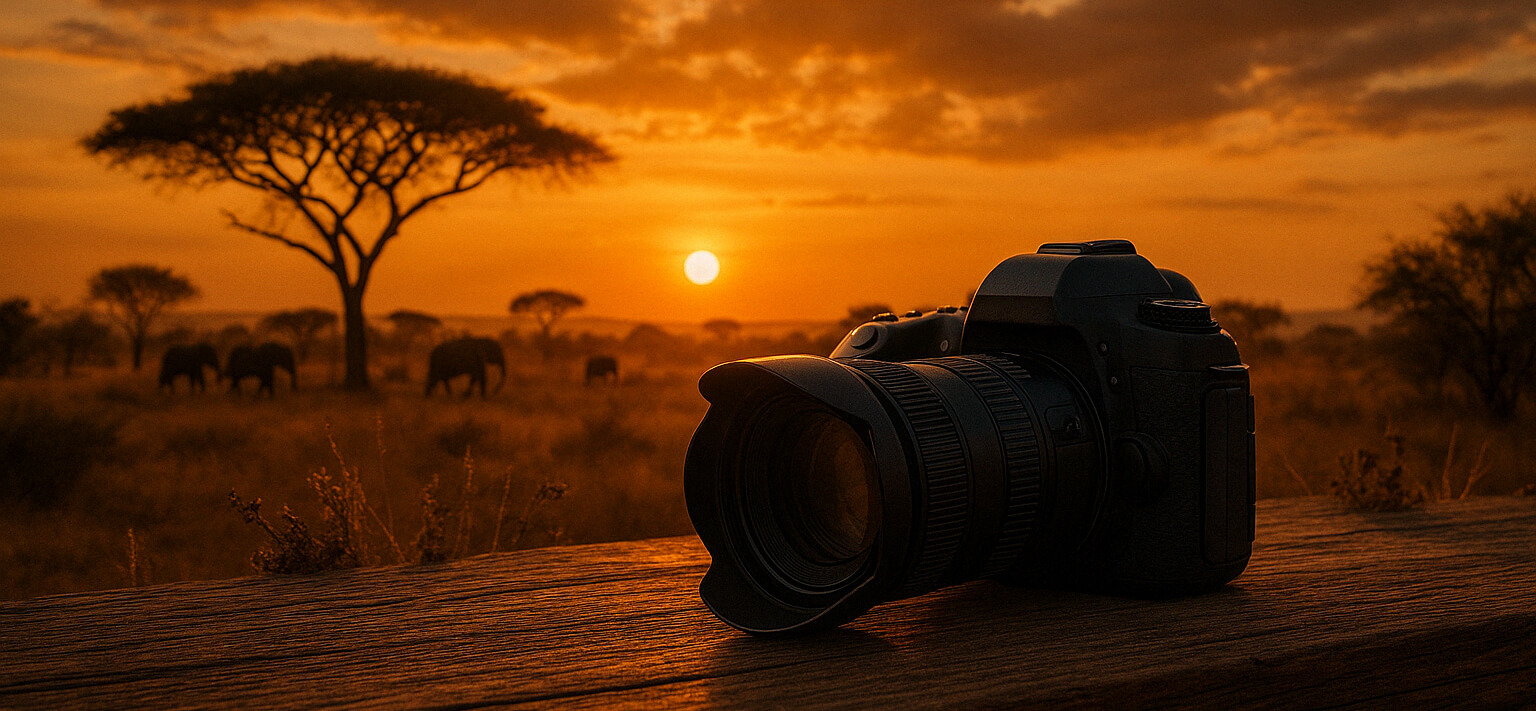
Consider photographing a stunning sunset. To capture the vibrant colors, you might set a wide aperture (e.g., f/2.8) to let in more light, a slow shutter speed (e.g., 1/60s) to capture motion blur in clouds, and a low ISO (e.g., 100) to minimize noise. This combination creates a well-exposed and visually appealing image.
Tip: Practice adjusting these settings in manual mode. Experiment with photographing the same scene using different combinations to see how they affect the final image. This hands-on approach will deepen your understanding of how the exposure triangle works.
Composition Techniques for Impactful Images
Composition is the art of arranging elements within a frame to create a harmonious image. One of the most effective techniques is the rule of thirds, which involves dividing the frame into a 3×3 grid and placing the subject along these lines or their intersections. This method draws the viewer’s eye naturally towards the focal point.
Imagine you’re capturing a portrait. Position the subject’s eyes along the top third grid line to create balance and interest. This technique can transform an ordinary photo into a compelling visual story.
Tip: Enable the grid feature on your camera’s viewfinder or smartphone to practice the rule of thirds. Experiment with different subjects and scenes to see how this compositional technique enhances your photography.
The Role of Lighting in Photography
Lighting can make or break a photograph. It’s essential to understand the different types of lighting and how they affect your images. Natural light, such as sunlight, provides soft and diffused illumination, while artificial light can be manipulated for specific effects. The golden hour, shortly after sunrise or before sunset, offers warm tones that are perfect for capturing portraits and landscapes.
Suppose you’re shooting a street scene at midday, where harsh shadows can be a challenge. Position yourself so that the light source is behind you, illuminating your subject evenly. Alternatively, use a reflector to bounce light into shadowed areas for a more balanced exposure.
Tip: Experiment with different lighting conditions. Try photographing the same subject at various times of the day to observe changes in mood and tone. Understanding how to manipulate light will significantly improve your photographic outcomes.
Post-Processing: Enhancing Your Images
Post-processing is an essential step in digital photography, allowing photographers to enhance and refine their images. Software like Adobe Lightroom and Photoshop offers powerful tools for adjusting exposure, contrast, color balance, and sharpness. These adjustments help bring your creative vision to life.
For instance, after capturing a landscape, you might find that the sky lacks vibrancy. Using post-processing, you can enhance the colors, adjust the contrast, and add depth to transform the image into a breathtaking masterpiece.
Tip: Start with basic adjustments such as cropping and exposure correction. Gradually explore more advanced techniques like selective editing and color grading. Regularly practicing post-processing will enhance your ability to produce polished and impactful photographs.