
Understanding the Unique Landscapes
South Africa’s diverse landscapes offer a visual feast for photographers, ranging from the arid dunes of the Kalahari to the lush greenery of the KwaZulu-Natal. Understanding these varied environments is crucial for capturing stunning images during your photo safari. Each landscape offers different lighting conditions and challenges, such as the harsh midday sun in the desert or the dense fog in the mountains.
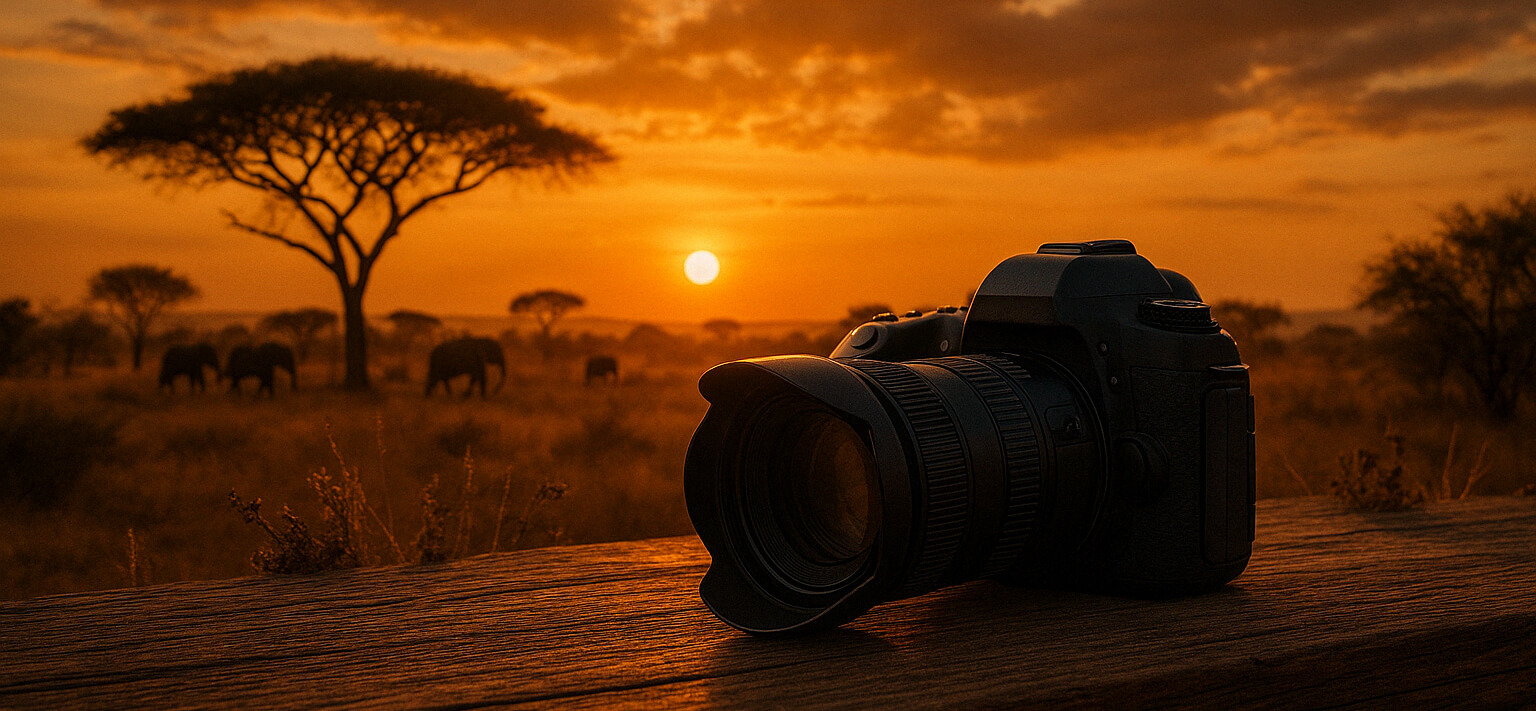
For example, the Kruger National Park provides a classic African savanna experience, where the golden hour can transform the landscape into a magical scene with warm hues and elongated shadows. In contrast, the coastal regions like the Garden Route offer dramatic seascapes with rocky cliffs and crashing waves, perfect for long exposure shots.
To maximize your photographic opportunities, plan your safari itinerary around the best times for capturing these landscapes. Early morning and late afternoon are ideal for softer light and vibrant colors. Additionally, always carry a polarizing filter to help reduce glare and enhance the natural colors of the environment.
Wildlife Behavior and Photography
Photographing wildlife requires an understanding of animal behavior to anticipate movements and capture the perfect shot. South Africa is home to the famous Big Five—lion, leopard, rhinoceros, elephant, and Cape buffalo—as well as countless other species. Observing and predicting their behavior can lead to more dynamic and engaging photographs.
For instance, elephants often visit waterholes during the heat of the day. Positioning yourself strategically at these locations can result in impressive shots of these majestic creatures as they bathe or interact with each other. Leopards, on the other hand, are more active at dusk and dawn, requiring patience and a keen eye to spot them in the underbrush.
Practice using a telephoto lens to capture close-up shots without disturbing the wildlife. A 200-400mm lens is typically effective for safaris, offering the flexibility to shoot at varying distances. Always respect the animals‘ space and adhere to the guidance of your safari guide to ensure a safe and ethical photographic experience.
Equipment Essentials for a Successful Safari
The right equipment can make a significant difference in the quality of your safari photography. Besides your camera body, consider investing in a few essential accessories to enhance your shooting experience. A sturdy tripod, for example, is invaluable for stable shots, particularly in low-light situations or when using heavy lenses.
A real-world example of the importance of equipment is the need for extra batteries and memory cards. The excitement of capturing a herd of migrating wildebeest or a pride of lions at sunset can deplete your resources faster than anticipated. Having backups ensures you won’t miss any critical moments due to technical limitations.
An actionable tip is to pack a versatile zoom lens, such as a 70-200mm or 100-400mm lens. These lenses offer flexibility to shoot both wide-angle landscapes and detailed wildlife portraits without needing to change lenses frequently, which is especially useful in dusty or windy conditions.
Preparing for the Safari Experience
Preparing for a photo safari involves more than just packing your gear. Familiarizing yourself with the local culture, climate, and logistics can enhance your overall experience. South Africa’s climate varies significantly, so dressing in layers and having weather-appropriate clothing is advisable.
For example, temperatures in the bush can be chilly in the mornings and evenings, but soar during the day. A lightweight, breathable jacket can keep you comfortable throughout your excursions. Understanding cultural nuances, such as local customs or the significance of certain wildlife to indigenous communities, can also enrich your storytelling through photography.
An actionable tip is to attend a pre-safari briefing or workshop if available. These sessions often provide valuable insights into the specific reserve you will be visiting, including animal migration patterns, recent sightings, and safety protocols. This knowledge can help you plan your shots more effectively and increase your chances of capturing unique images.