
Understanding the Unique Wildlife Opportunities
South Africa is known for its rich biodiversity, providing a unique opportunity for photographers to capture some of the world’s most iconic wildlife. From the majestic Big Five—lion, leopard, rhinoceros, elephant, and Cape buffalo—to a plethora of bird species and lesser-known creatures, a photo safari in South Africa offers an unparalleled chance to document wildlife in its natural habitat.
For example, the Kruger National Park, one of the largest game reserves in Africa, is renowned for its diverse ecosystems, which support a wide range of animal species. Photographers can capture the sight of a leopard stealthily navigating the branches of a Marula tree or a herd of elephants bathing in the Sabie River.
Actionable Tip: To increase the likelihood of spotting elusive wildlife, consider joining guided game drives led by experienced rangers. These professionals understand animal behaviors and know the best times and locations for sightings, providing you with the opportunity to capture remarkable images.
Essential Gear for a Successful Safari
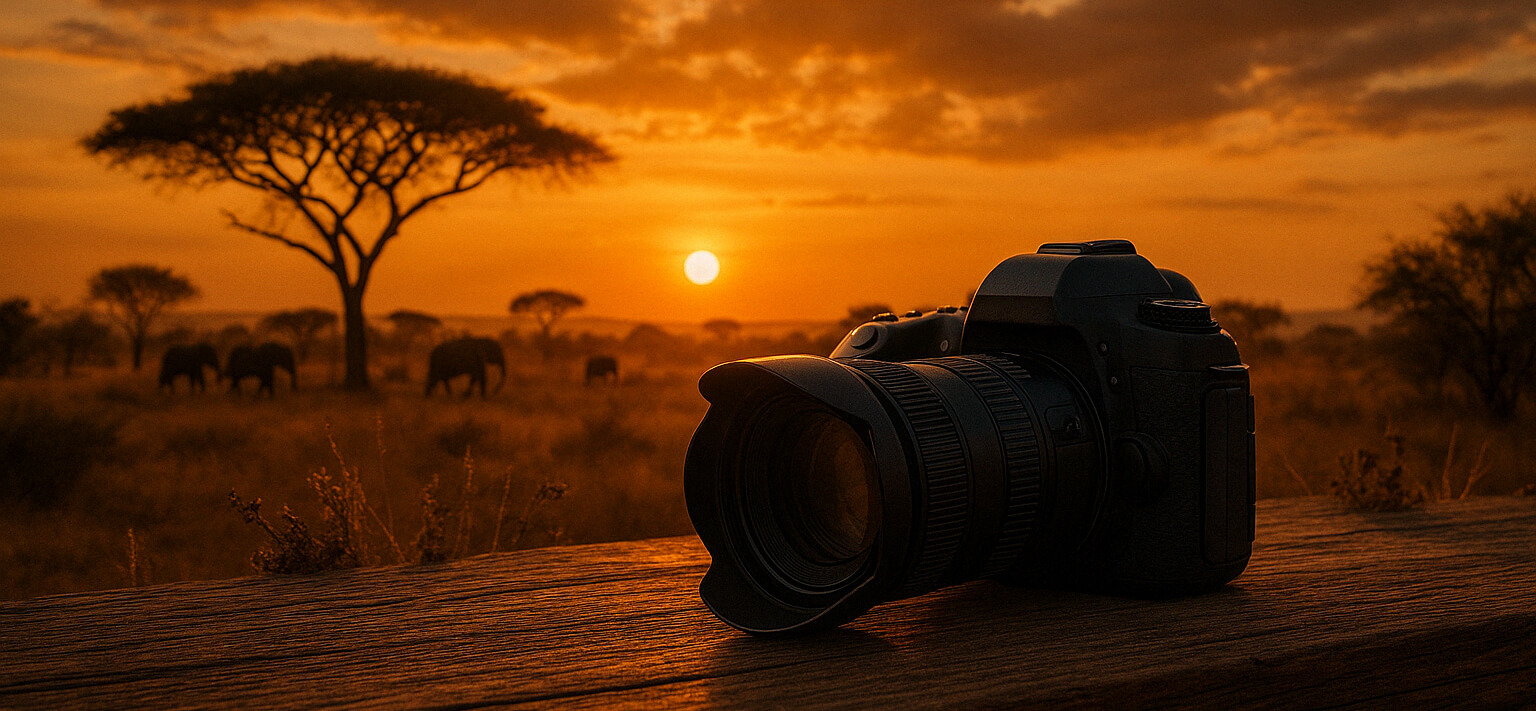
Choosing the right photography gear is critical for a successful photo safari. Given the unpredictable nature of wildlife photography, having the right equipment can make the difference between a good shot and a great one. A versatile zoom lens, for example, allows photographers to capture wide-angle landscape shots as well as close-ups of distant animals without needing to switch lenses frequently.
Consider the Canon EF 100-400mm f/4.5-5.6L IS II USM lens, which provides exceptional image quality and a versatile focal range, making it an excellent choice for capturing both distant wildlife and closer subjects. Its image stabilization system helps counteract camera shake, crucial for handheld shooting.
Actionable Tip: Always carry an extra battery and memory cards. The excitement of a safari can lead to extended shooting sessions, and you don’t want to miss a once-in-a-lifetime shot because of a dead battery or full memory card.
Maximizing Your Experience with Local Knowledge
Leveraging local knowledge can dramatically enhance your safari experience. Local guides and trackers possess invaluable insights into animal habits and the landscape, which can significantly improve your chances of capturing extraordinary photographs. They can provide background stories and details about the wildlife, adding depth to your photographic journey.
In the Sabi Sands Game Reserve, for instance, local guides have intimate knowledge of specific animals and their territories, such as a well-known leopard named ‚Thandi‘. Guides can lead you to areas where Thandi is often seen, increasing your chances of photographing her in her natural environment.
Actionable Tip: Engage with your guide and ask questions. Their knowledge can lead you to unexpected photographic opportunities, such as unique animal behaviors or lesser-known locations that offer incredible lighting conditions.
Respecting Wildlife and Ethical Photography Practices
While capturing stunning wildlife images is the goal, it’s essential to prioritize ethical photography practices and respect for the animals and their environment. Disturbing wildlife for the sake of a photograph can lead to stress and alter natural behaviors, which is detrimental to both the animals and the ecosystem.
An example of ethical photography is maintaining a respectful distance from wildlife. In the Addo Elephant National Park, visitors are encouraged to observe elephants from a safe distance, allowing the animals to remain undisturbed while photographers capture their natural behavior.
Actionable Tip: Use a long lens to photograph animals from a distance, ensuring you do not interfere with their natural activities. Always follow park guidelines and listen to your guide’s instructions to ensure a safe and ethical photography experience.