
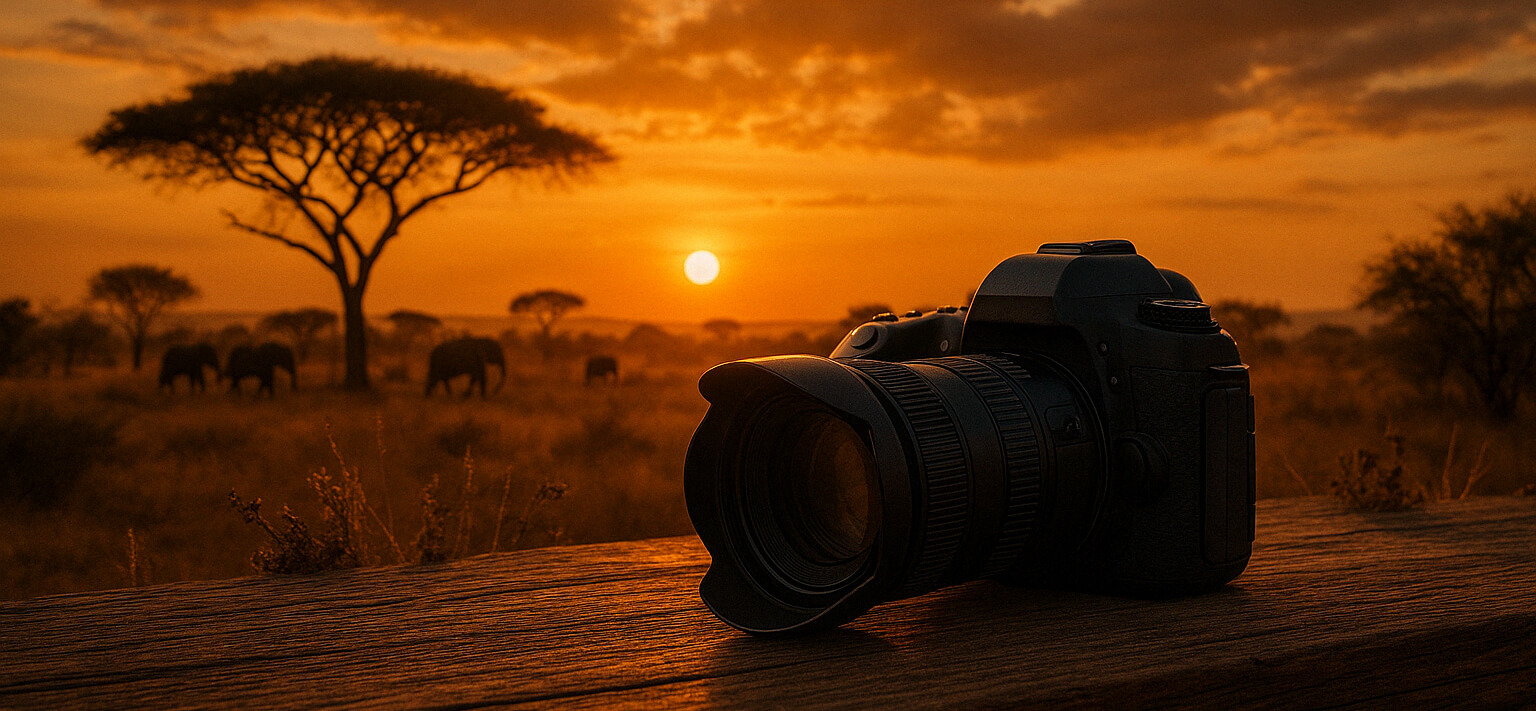
Preparation Essentials for a Successful Photo Safari
Embarking on a photo safari in South Africa is an exhilarating experience that requires careful preparation. Ensuring you are well-equipped is crucial for capturing the breathtaking landscapes and diverse wildlife. Start by selecting the right gear. A versatile DSLR or mirrorless camera with telephoto lens capabilities is essential for capturing distant wildlife. Additionally, pack a wide-angle lens for landscape shots.
Consider the example of Jane, an avid photographer, who found that her trip to Kruger National Park was significantly enhanced by bringing along a sturdy tripod. This enabled her to capture stable images during low-light conditions and long exposures.
One actionable tip is to bring extra batteries and memory cards. The vastness of the South African wilderness offers endless photo opportunities, and you don’t want to miss out due to a lack of resources. Also, familiarize yourself with the settings and features of your camera before your trip to ensure quick adjustments during the safari.
Understanding Wildlife Behavior and Photography Techniques
Successful wildlife photography on a South African safari hinges on understanding animal behavior. This knowledge allows photographers to anticipate moments that make for compelling images. For instance, early mornings and late afternoons are prime times for animal activity, known as the ‚golden hours‘ in photography.
Take the experience of Tom, a wildlife photographer, who captured a stunning shot of a pride of lions during a hunt at dawn. By observing their pre-hunt behavior, he was able to position himself for the perfect shot.
To enhance your wildlife photography, practice patience and maintain a respectful distance. Use a telephoto lens to fill the frame without disturbing the animals. Always prioritize the well-being of wildlife over getting the perfect shot. This approach not only ensures ethical photography but often results in more natural and intriguing images.
Ethical Considerations and Respect for Wildlife
Ethical considerations are paramount during a photo safari in South Africa. Respecting the natural habitat and behavior of wildlife is essential for sustainable tourism. Photographers must adhere to guidelines that protect both the environment and the animals.
For example, the story of a group of tourists who disrupted a herd of elephants by approaching too closely serves as a cautionary tale. The incident not only stressed the animals but also resulted in missed photo opportunities as the elephants fled the area.
An actionable technique is to follow the ‚leave no trace‘ principle. Avoid leaving any waste behind and minimize your footprint in natural areas. Additionally, respect park rules and always listen to your guide’s instructions. By doing so, you contribute to the preservation of these magnificent ecosystems for future generations of photographers.
Maximizing the Safari Experience Beyond Photography
While the primary aim of a photo safari is capturing stunning images, immersing yourself fully in the experience enriches your journey. Engaging with local guides and learning about the cultural and ecological significance of the area can broaden your perspective.
Consider the adventure of Rachel, who not only returned with a portfolio of breathtaking photos but also gained a deeper understanding of wildlife conservation efforts in South Africa. Her conversations with local rangers provided insights that enhanced her appreciation for the natural world.
To maximize your safari experience, take time to put the camera down and observe your surroundings. Engage with fellow travelers and guides to share stories and tips. This holistic approach not only enhances your photography but also enriches your overall journey, creating memories that extend beyond the viewfinder.