
Understanding the Wildlife and Landscapes
South Africa is home to a diverse range of wildlife and breathtaking landscapes, making it a prime location for photo safaris. The country offers an array of ecosystems, from savannas and deserts to lush forests and coastal regions. This diversity provides photographers with the opportunity to capture various species in their natural habitats, such as the Big Five: lions, elephants, leopards, rhinos, and buffaloes.
For example, the Kruger National Park is one of the most renowned destinations for wildlife photography in South Africa. It spans nearly 20,000 square kilometers, offering vast landscapes and numerous wildlife sightings. A photographer here might capture a herd of elephants crossing a river at sunset, creating a stunning composition of movement and light.
One actionable tip is to research the best times of year for specific wildlife sightings. The dry season from May to October is particularly favorable for wildlife photography, as animals are more likely to gather around water sources, making them easier to spot and photograph.
Choosing the Right Photography Gear
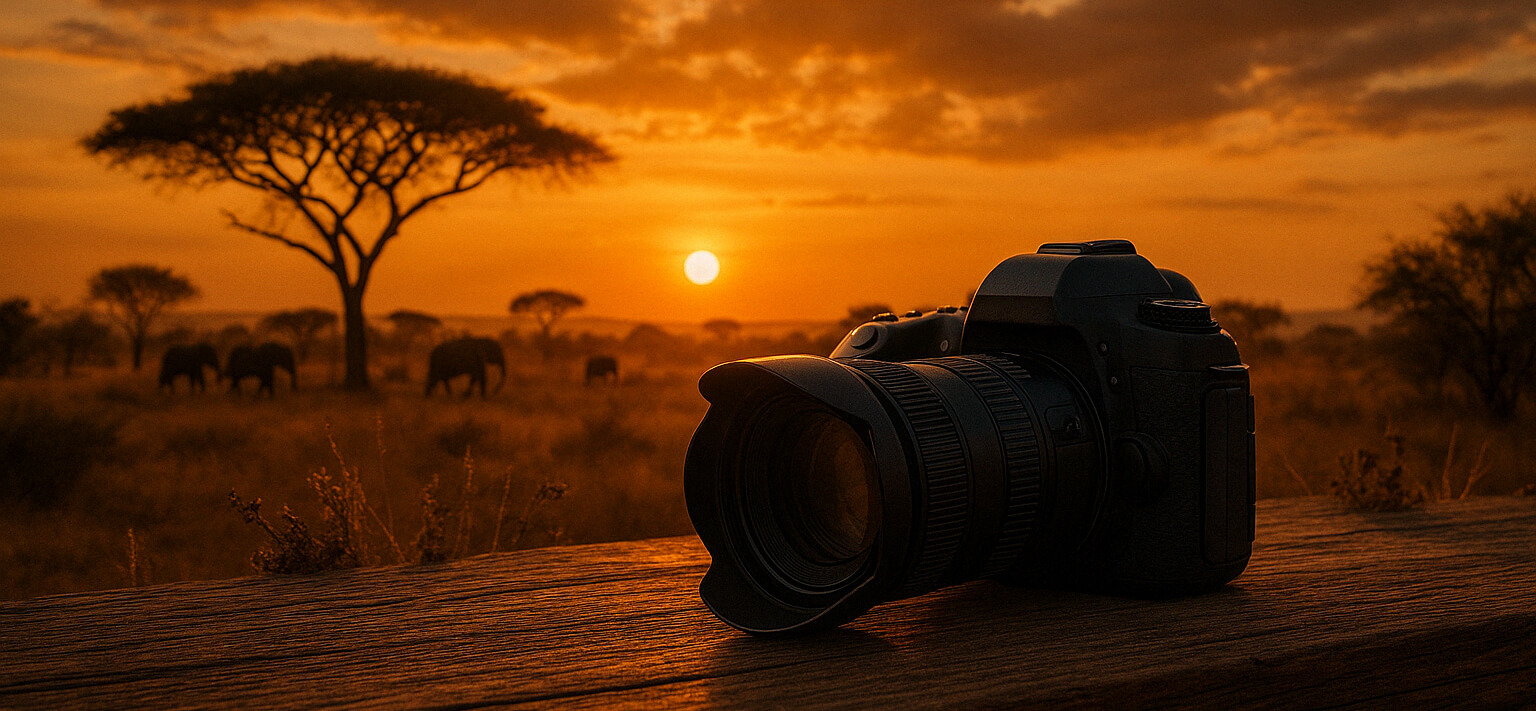
When embarking on a photo safari, selecting the appropriate photography gear is crucial for capturing high-quality images. A versatile camera with a fast shutter speed and a good zoom lens is essential for wildlife photography. A DSLR or mirrorless camera paired with a telephoto lens, such as a 70-200mm or 100-400mm, can help photographers capture distant animals with clarity.
Consider the story of a photographer who visited the Sabi Sand Game Reserve. Armed with a reliable camera and a 100-400mm lens, they were able to photograph a leopard lounging in a tree from a safe distance. This setup allowed them to capture detailed images without disturbing the animal’s natural behavior.
An actionable technique is to bring a sturdy tripod or monopod to stabilize your camera for sharper images, especially in low-light conditions during early morning or late afternoon shoots. Additionally, carrying extra batteries and memory cards ensures you won’t miss any crucial moments during your safari adventure.
Mastering Light and Composition
Understanding light and composition is key to creating compelling wildlife photographs. The golden hours, shortly after sunrise and before sunset, provide soft, warm light that enhances the colors and details of your subjects. Photographers should aim to utilize this natural light to their advantage by planning their shoots around these times.
For instance, a photographer in the Kgalagadi Transfrontier Park captured stunning images of lions during the early morning light. The warm glow highlighted the textures of the lions‘ manes and brought out the vibrant hues of the surrounding desert landscape.
One technique to try is the rule of thirds, which involves dividing your frame into nine equal sections and placing your subject along these lines or at their intersections. This technique can enhance the balance and interest in your composition, drawing viewers‘ eyes to the most important elements of your photograph.
Respecting Wildlife and Ethical Photography Practices
While capturing stunning images is important, respecting wildlife and following ethical photography practices should always be a priority. Maintaining a safe distance from animals ensures their natural behaviors are not disrupted and reduces the risk of stress or harm to the wildlife.
A notable example is the work of conservation photographers who emphasize the importance of minimizing human impact on wildlife. By using long lenses and staying in designated viewing areas, they are able to document animal behavior without interference, contributing to both stunning visuals and wildlife conservation efforts.
An actionable tip is to familiarize yourself with the guidelines and regulations of the specific park or reserve you are visiting. These rules are designed to protect both the animals and visitors. Always listen to your guide’s instructions, as they are knowledgeable about safe and ethical interactions with wildlife.