
Understanding Wildlife Behavior
Observing and understanding wildlife behavior is crucial for any successful photo safari in South Africa. The country’s diverse ecosystems are home to the Big Five—lion, leopard, rhinoceros, elephant, and buffalo—along with countless other species. Each animal has unique behaviors that influence the best times and conditions for photography.
For instance, lions are more active during the cooler hours of the early morning and late afternoon. Knowing this allows photographers to position themselves strategically to capture these majestic animals in action. A real-world example is the Kruger National Park, where guided tours often start at dawn to maximize sightings and photographic opportunities.
Actionable Tip: Research the specific wildlife in the area you plan to visit. Understanding their habits will not only enhance your photographic results but also your overall safari experience. Consider taking a field guidebook or using apps that provide insights into animal behavior.
Essential Photography Gear
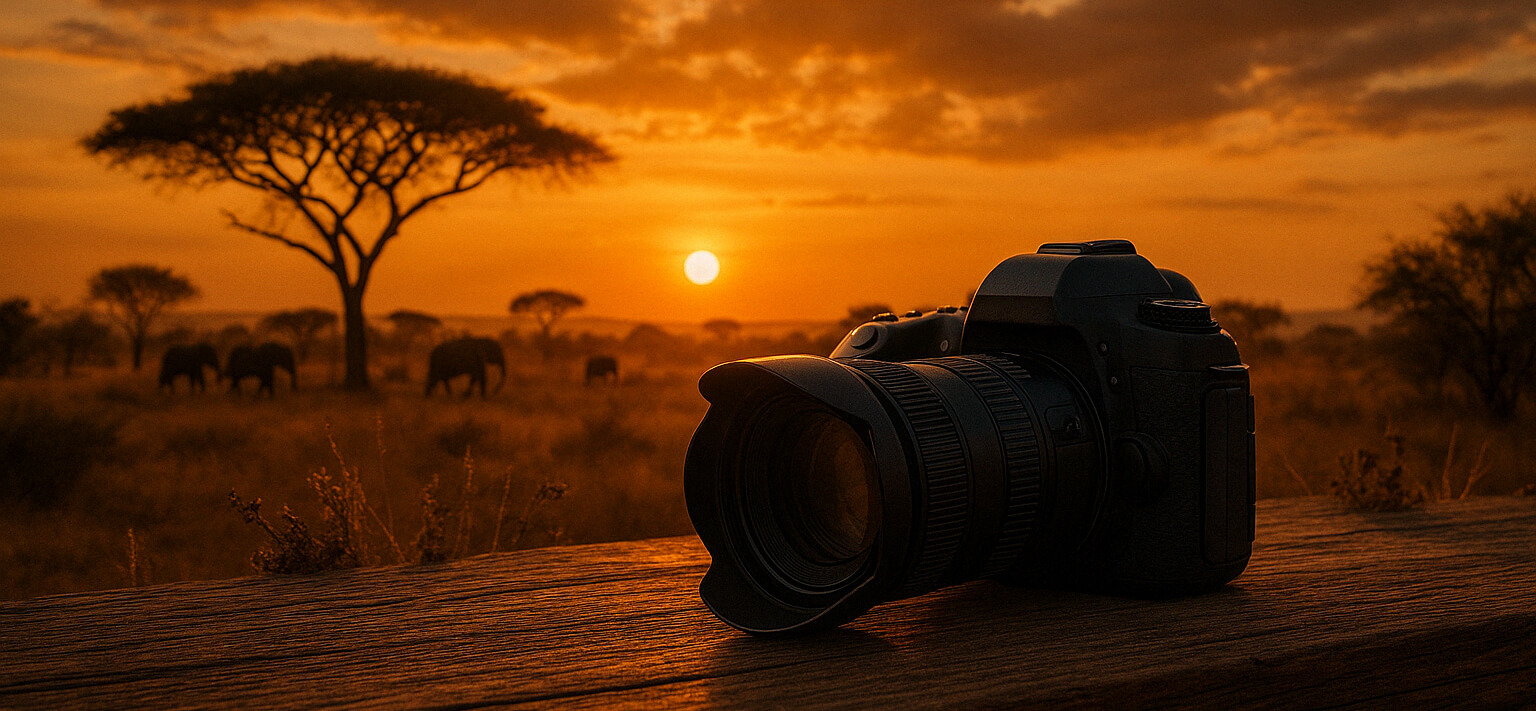
Packing the right photography gear is vital for capturing the stunning landscapes and wildlife of South Africa. A versatile camera with a robust zoom lens is a must-have to photograph animals from a safe distance without disturbing them. Additionally, a sturdy tripod can help achieve sharper images, especially in low-light situations.
In the field, you might encounter situations like a herd of elephants crossing the savannah at sunset. A telephoto lens with a focal length of at least 300mm will allow you to fill the frame with distant subjects while maintaining image quality. At the same time, a wide-angle lens can be useful for capturing expansive landscapes or group shots of animals.
Actionable Tip: Before embarking on your safari, test your equipment to ensure it’s in good working order. Practice switching lenses quickly and adjusting settings like ISO, aperture, and shutter speed so you’re ready for any unexpected photographic opportunities.
Photography Techniques for Capturing Wildlife
Mastering the right photography techniques can significantly enhance the quality of your safari images. One effective method is the use of panning, which involves moving the camera in sync with a moving subject to create a sense of motion and speed. This technique is particularly useful for photographing running animals like cheetahs.
A real-world example is capturing the elegance of a cheetah sprinting across the plains. By using a slower shutter speed and following the animal smoothly with your camera, you can achieve a blurred background while keeping the cheetah in sharp focus, conveying the dynamism of the scene.
Actionable Tip: Practice panning by photographing moving vehicles or athletes before your trip. Experiment with different shutter speeds to find the right balance between motion blur and subject sharpness. This preparation will help you capture stunning wildlife action shots during your safari.
Ethical Considerations and Respect for Nature
Photo safaris in South Africa come with a responsibility to respect the natural environment and its inhabitants. Ethical considerations are paramount to ensure that wildlife is not disturbed or endangered by your presence. Always maintain a safe distance from animals and never attempt to bait or provoke them for a photo.
An example of ethical wildlife photography is seen in the practices of reputable safari operators who adhere to strict guidelines that prioritize animal welfare. They educate tourists about the importance of leaving no trace, which includes not littering and minimizing noise pollution.
Actionable Tip: Familiarize yourself with the ethical guidelines of the parks you visit. Participate in eco-friendly tours and support conservation efforts. Remember that capturing an image should never come at the expense of the subject’s well-being or the environment.