
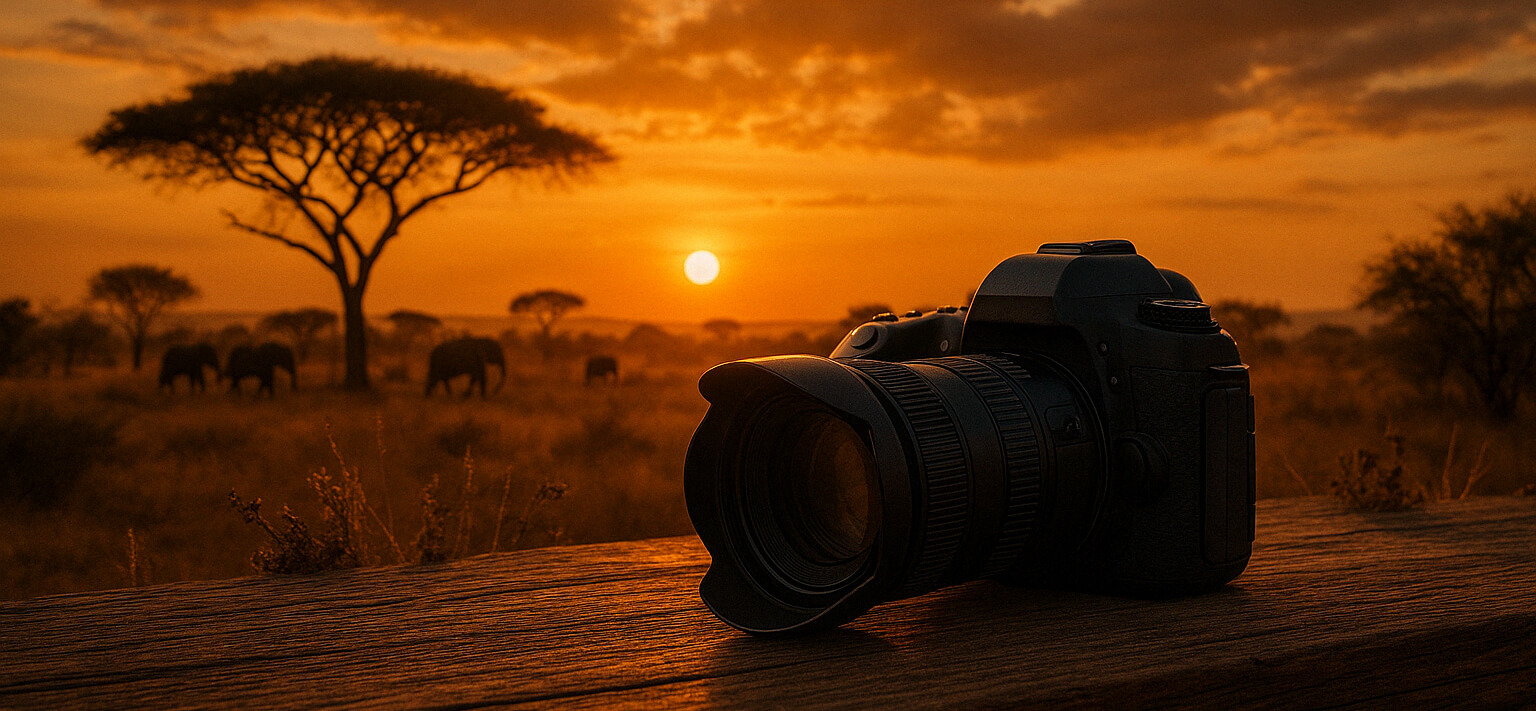
Understanding the Unique Wildlife of South Africa
South Africa is renowned for its rich biodiversity and is home to some of the world’s most iconic wildlife species. When embarking on a photo safari, understanding the unique wildlife is crucial to capturing captivating images. The „Big Five“ – lions, leopards, elephants, rhinos, and Cape buffalo – are among the key attractions. However, South Africa’s diverse ecosystems also offer opportunities to photograph lesser-known species like the elusive African wild dog and the majestic kudu.
For example, in the Kruger National Park, one of Africa’s largest game reserves, visitors can witness a plethora of wildlife in their natural habitat. The park’s vast landscapes and varied ecosystems make it an ideal location for wildlife photography, offering both challenge and excitement to photographers.
Tip: To increase your chances of capturing stunning wildlife photos, research the behavioral patterns of animals you wish to photograph. Understanding their habits and preferred habitats can help you anticipate their movements and position yourself for the perfect shot.
Best Times and Locations for Photo Safaris
Timing is everything when it comes to photo safaris in South Africa. The dry season, from May to October, is generally considered the best time for wildlife photography. During these months, vegetation is sparse, making it easier to spot animals as they congregate around waterholes. The cooler weather also makes for more comfortable conditions for both animals and photographers.
The Sabi Sands Game Reserve, adjacent to Kruger National Park, is famous for its high density of leopards. It is a prime location for photographers looking to capture these elusive cats. The reserve’s well-managed environment and expert guides make it a go-to destination for safari enthusiasts.
Tip: Plan your trip around the golden hours – early morning and late afternoon – when the lighting is soft and warm, enhancing the colors and textures of your photographs. This is also when animals are most active, providing more opportunities for dynamic shots.
Equipment Essentials for a Successful Photo Safari
The right equipment can make a significant difference in the quality of your wildlife photographs. A versatile camera setup is essential for capturing a wide range of subjects and scenarios. A DSLR or mirrorless camera with fast autofocus and high burst rates is ideal for capturing fast-moving wildlife.
In the Madikwe Game Reserve, photographers have successfully used telephoto lenses, such as a 100-400mm or 200-600mm, to capture close-up shots of distant animals without disturbing them. A sturdy tripod or monopod can also be beneficial for stabilizing your camera during low-light conditions or when using heavy lenses.
Tip: Always carry extra batteries and memory cards. Safaris can be unpredictable, and you don’t want to miss out on a great shot due to lack of storage or power. Keeping these essentials handy ensures you are prepared for any photographic opportunity.
Ethical Considerations and Respect for Wildlife
Ethical photography practices are paramount on a photo safari. Respect for wildlife and their habitats should always be a top priority. Disturbing animals to get a better shot is not only unethical but can also be dangerous. It is important to maintain a safe distance and avoid interfering with their natural behaviors.
At the Addo Elephant National Park, photographers are encouraged to follow strict guidelines that prioritize the well-being of the animals. This approach not only ensures the safety of both the wildlife and photographers but also results in more authentic and compelling images.
Tip: Work with experienced guides who understand the terrain and animal behavior. They can provide valuable insights and help you adhere to ethical practices while enhancing your photographic experience.