
Mastering the Exposure Triangle
The exposure triangle is a fundamental concept in photography that encompasses three key elements: aperture, shutter speed, and ISO. Each of these components plays a crucial role in determining the exposure of an image. Aperture controls the depth of field, shutter speed affects motion blur, and ISO influences the image’s sensitivity to light.
For instance, imagine photographing a fast-moving subject, such as a bird in flight. A fast shutter speed, say 1/1000th of a second, will freeze the motion, while a wide aperture like f/2.8 can blur the background, making the bird stand out. Adjusting the ISO to a higher setting ensures adequate exposure even in lower light conditions.
As an actionable tip, experiment with the exposure triangle by setting your camera to manual mode. Capture the same scene three times, altering one element of the triangle each time, while compensating with the other two. This exercise will help you understand how each component affects the final image.
The Art of Composition
Effective composition is key to creating visually compelling photographs. It involves arranging elements within the frame to guide the viewer’s eye and convey a story or emotion. One of the most well-known rules is the Rule of Thirds, which suggests dividing the frame into nine equal parts and placing the subject along these lines or intersections.
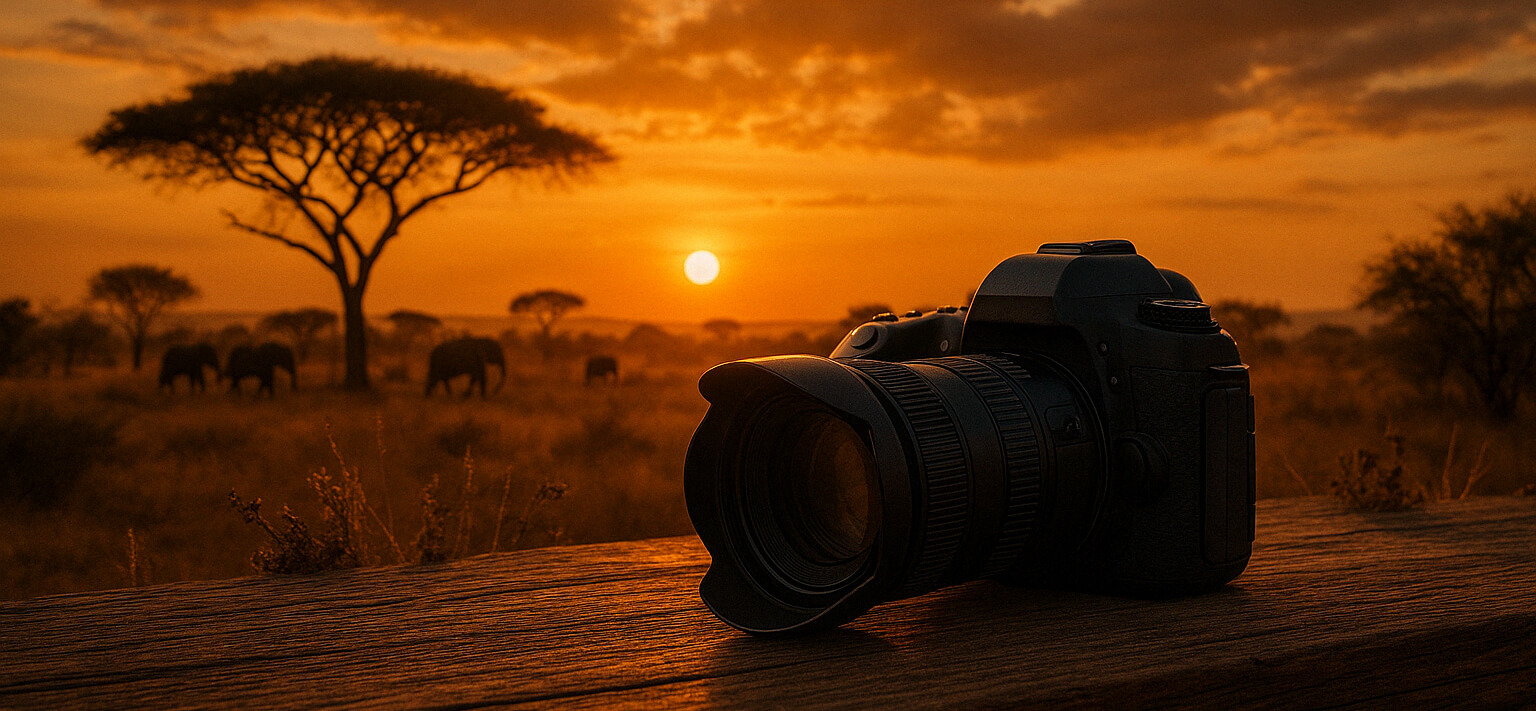
Consider a landscape shot with a beautiful sunset. By aligning the horizon along the bottom third line and placing a silhouette of a tree at one of the intersections, you create balance and interest. This composition draws the viewer’s attention to both the sky and the foreground, offering a more dynamic image.
Try using the grid feature on your camera or smartphone to apply the Rule of Thirds. Practice by taking various shots of a single subject, repositioning it along different lines and intersections to see how the composition changes.
Understanding Light and Its Impact
Light is the essence of photography, and understanding how to manipulate it can drastically improve your images. The quality, direction, and color of light can change the mood and clarity of a photo. Natural light, such as the golden hour, provides a soft and warm glow, ideal for portraits and landscapes.
A real-world example is capturing portraits during the golden hour, shortly after sunrise or before sunset. The warm, diffused light minimizes shadows and creates a flattering effect on the subject’s skin. This time of day is perfect for outdoor shoots, offering a natural, ethereal quality to your images.
As a technique, practice shooting at different times of the day. Observe how the changing light affects the mood and detail in your photos. Adjust your camera settings like white balance and exposure to adapt to the varying light conditions.
Post-Processing: Enhancing Your Images
Post-processing is the art of enhancing your photographs using software like Adobe Lightroom or Photoshop. It involves adjusting elements such as exposure, color balance, and sharpness to bring out the best in your images. While capturing a great shot in-camera is essential, post-processing allows you to refine and elevate your work.
For example, a landscape photo taken during midday might look flat due to harsh lighting. By adjusting the highlights and shadows, you can recover details in both the sky and foreground, adding depth and contrast to the image. Subtle color grading can also enhance the overall mood, turning an ordinary image into something extraordinary.
Start by learning the basics of any editing software. Focus on non-destructive editing techniques, such as using adjustment layers and masks, to preserve the original image. Regular practice will improve your skills and help you develop a personal editing style.