
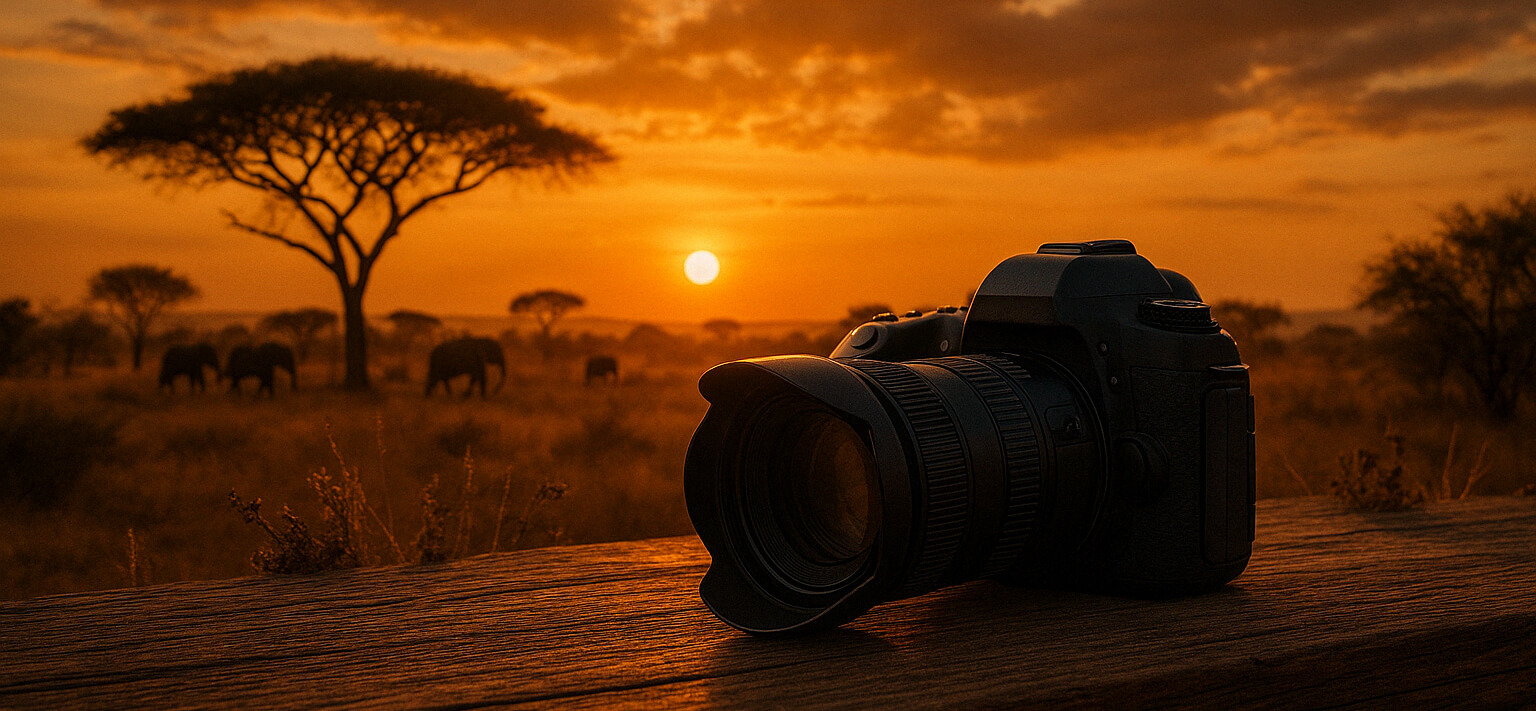
Mastering the Exposure Triangle
Understanding the exposure triangle is fundamental for both enthusiasts and professional photographers. The exposure triangle consists of three critical components: aperture, shutter speed, and ISO. These elements work together to determine the correct exposure for your photographs. Aperture controls the amount of light entering the lens, shutter speed dictates the duration the camera sensor is exposed to light, and ISO measures the sensitivity of the sensor to light.
Consider taking a photograph in a low-light environment, such as a dimly lit restaurant. To capture a well-exposed image without using a flash, you might need to open the aperture wide (e.g., f/2.8), slow down the shutter speed (e.g., 1/30s), and increase the ISO (e.g., 1600). Balancing these settings is crucial to avoid overexposure or underexposure while maintaining image quality.
Actionable Tip: Practice in different lighting conditions by manually adjusting each triangle component. Start with one setting, like aperture, and observe its effect on exposure before moving to the next. This hands-on approach will give you a deeper understanding of how each element influences your photos.
Composition Techniques for Stunning Images
Composition is the art of arranging elements within your frame to create visually appealing photographs. A well-composed image can captivate viewers and convey a story effectively. One of the most popular composition techniques is the rule of thirds, which involves dividing your frame into a 3×3 grid and placing the subject along the grid lines or at intersections to create balance and interest.
A real-world example of composition in action is landscape photography. When capturing a scenic view, place the horizon line along the top or bottom third of the frame, rather than in the center. This technique guides the viewer’s eye through the image and adds depth to the scene.
Actionable Tip: Enable the grid feature on your camera or smartphone to visually divide your frame into thirds. Practice taking photos by positioning your subjects according to the rule of thirds, and observe how this technique enhances the overall composition and storytelling of your images.
Understanding and Utilizing Light
Light is the essence of photography, and understanding how to manipulate it can transform your images from ordinary to extraordinary. Natural light, artificial light, and mixed lighting scenarios all present unique challenges and opportunities for photographers. Learning to read and work with light is crucial for achieving the desired mood and texture in your photos.
For instance, golden hour—shortly after sunrise or before sunset—provides a soft, warm light that is favored by portrait and landscape photographers. This time of day is ideal for capturing flattering portraits or dramatic landscapes as the low angle of the sun creates long shadows and a rich atmosphere.
Actionable Tip: Experiment with photographing the same subject at different times of the day to observe how light quality and direction affect your images. Pay attention to the shadows, highlights, and color temperature, and adjust your camera settings accordingly to make the most of available light.
Post-Processing for Professional Results
Post-processing is an essential part of the digital photography workflow, allowing photographers to refine their images and realize their creative vision. Software like Adobe Lightroom and Photoshop offer powerful tools for adjusting exposure, correcting color, enhancing details, and applying artistic effects.
Consider a scenario where you’ve captured a breathtaking landscape, but the colors seem muted due to overcast weather. Post-processing can help you enhance the vibrancy and contrast to bring the image to life, revealing the hidden potential of your shot.
Actionable Tip: Start with basic adjustments like exposure, contrast, and white balance to improve your photos. Gradually explore advanced techniques such as dodging and burning, selective color adjustments, and sharpening to add depth and polish to your work. Always aim for a natural look that stays true to the scene you captured.