
Understanding and Capturing Natural Light
Natural light is one of the most crucial elements in nature photography. It can dramatically change the mood, texture, and depth of your images. Understanding how to use natural light effectively can transform a good photograph into an extraordinary one. The quality and direction of light vary throughout the day, making it essential to know when and how to capture it.
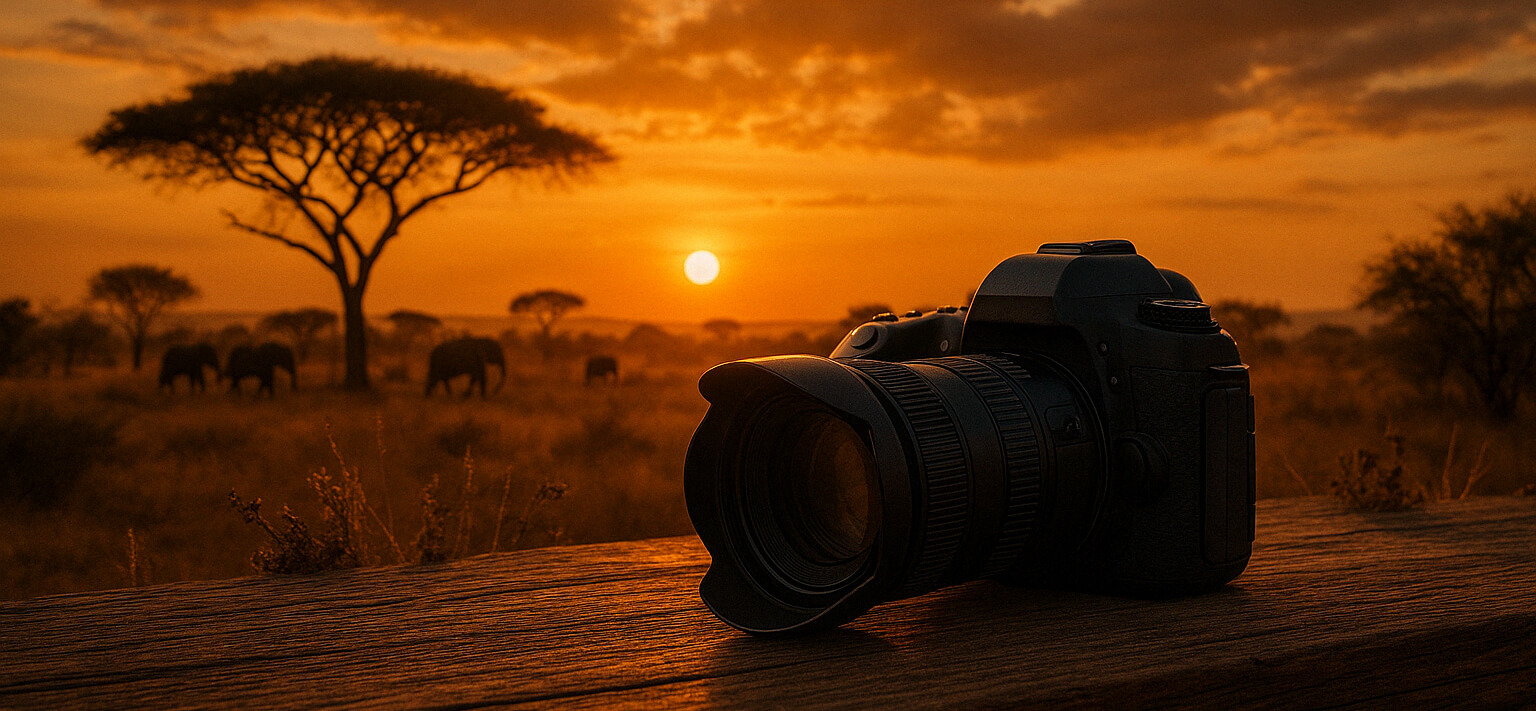
An example of this can be seen in the „golden hour“, the period shortly after sunrise or before sunset. During these times, the light is softer and warmer, enhancing the natural colors of landscapes and wildlife. Photographers often use this time to capture stunning, ethereal images with gentle shadows and rich textures.
A practical tip is to plan your shoots around the golden hour. Arrive at your location early to set up and explore different angles. Use a light meter or histogram to ensure proper exposure. By prioritizing natural light, you can significantly enhance the quality and impact of your nature photographs.
Mastering Composition in Nature Photography
Composition is the art of arranging elements within your frame to create a balanced and visually appealing photograph. In nature photography, composition involves combining various natural elements like trees, mountains, water, and wildlife to tell a compelling story. Effective composition can guide the viewer’s eye and evoke emotion.
An excellent example of composition is the „rule of thirds“, a technique where you divide your frame into nine equal parts using two horizontal and two vertical lines. By placing your subject along these lines or at their intersections, you create a more dynamic and interesting composition. For instance, positioning a tree or horizon along one of these lines can add balance and interest to your photograph.
Try experimenting with different compositions by moving around your subject. Use leading lines, such as pathways or rivers, to guide the viewer’s eye through the image. Remember, breaking traditional composition rules can sometimes yield creative and unexpected results.
Capturing the Details: Macro Photography in Nature
Macro photography allows you to capture the intricate details of nature that are often overlooked, such as the delicate patterns on a butterfly’s wings or the texture of a leaf. This style of photography emphasizes the beauty of small subjects and can reveal a world of wonder in the tiniest details.
A real-world example of macro photography is photographing dew drops on a spider web in the early morning. The droplets reflect light, creating a mesmerizing effect that highlights the web’s intricate structure. Capturing these details requires patience and a keen eye for spotting interesting subjects.
To try macro photography, use a dedicated macro lens or extension tubes to get closer to your subject. Pay attention to your depth of field; a shallow depth of field can help isolate the subject and blur the background, enhancing the focus on details. Practice focusing manually to ensure sharpness, as autofocus may struggle with close-up subjects.
Patience and Timing: The Key to Wildlife Photography
Wildlife photography requires patience, perseverance, and the ability to anticipate behavior. Animals in their natural habitat can be unpredictable, and capturing the perfect moment often involves waiting for hours or even days. Understanding animal behavior and timing your shots can result in captivating images that tell a story.
Consider the example of photographing birds in flight. Capturing the precise moment a bird takes off or lands requires split-second timing and anticipation. Observing the bird’s habits and body language can help you predict when it will move, allowing you to be ready with your camera.
An actionable technique is to use burst mode on your camera to capture a series of shots in quick succession. This increases your chances of getting the perfect shot. Additionally, learn to blend into the environment to avoid startling wildlife, and use a telephoto lens to maintain a respectful distance while capturing intimate moments.