
Mastering Natural Light
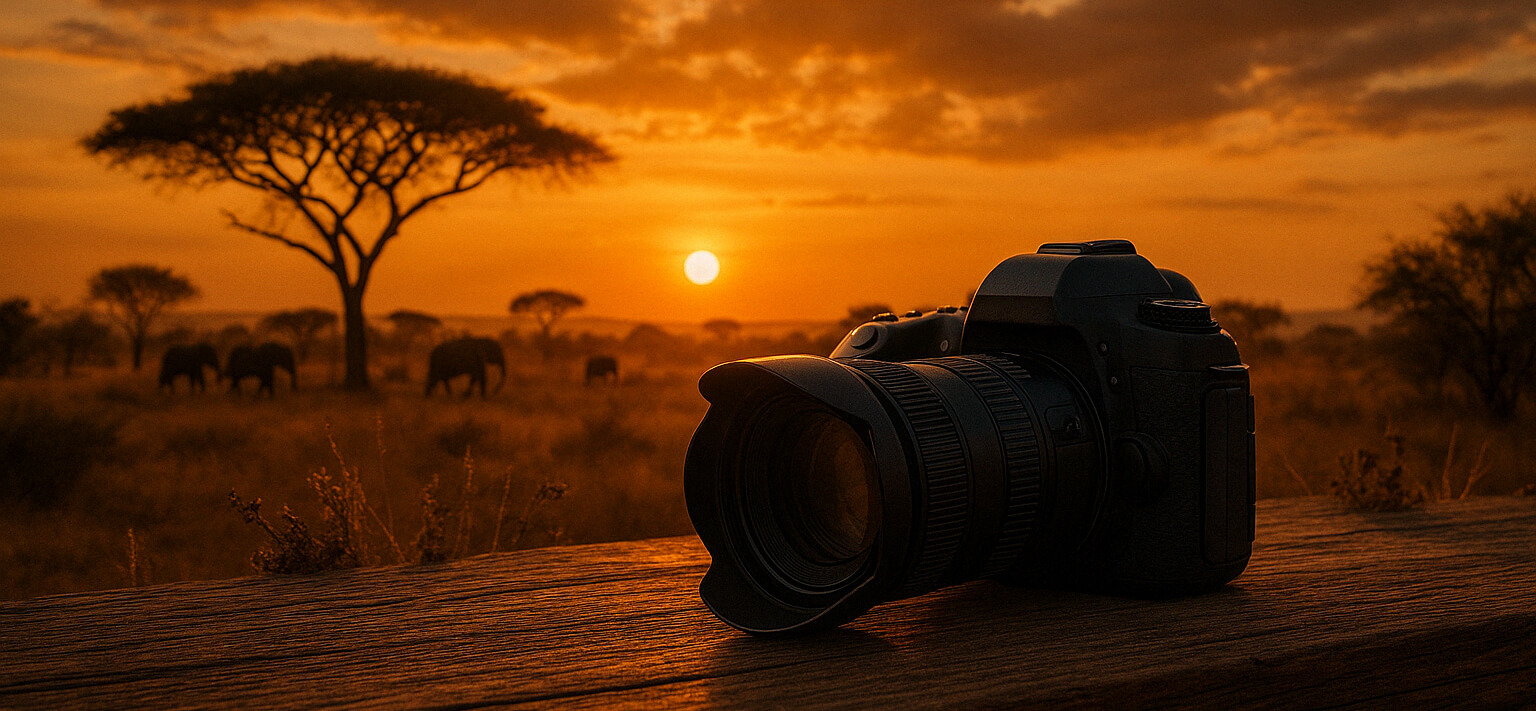
Understanding and utilizing natural light is fundamental in nature photography. The quality, direction, and color of light can dramatically affect the outcome of your photographs. The golden hours, which are the periods shortly after sunrise and before sunset, often provide the most flattering light. During these times, the sun is low in the sky, producing a soft, warm glow that can enhance textures and colors.
For example, photographing a landscape at sunrise can transform an ordinary scene into a magical masterpiece. The soft light can illuminate the landscape’s features, highlighting details that would otherwise be lost in the harsh midday sun. This effect is beautifully captured in the works of renowned photographers like Ansel Adams, whose black-and-white landscapes showcase extraordinary detail achieved during these optimal lighting conditions.
Actionable Tip: Experiment with shooting at different times of the day. Start by planning a morning shoot to capture the gentle light and long shadows. Use a tripod to ensure stability during the low-light conditions often found at these times, and adjust your camera’s white balance to match the warm tones of the golden hour.
Composing Your Shots
Composition is a critical component of nature photography that can enhance or diminish the impact of your images. The rule of thirds is a fundamental principle that suggests dividing your frame into a 3×3 grid and placing the subject or key elements along these lines or at their intersections. This technique can guide the viewer’s eye and create a more balanced and engaging photograph.
Consider a photograph of a majestic mountain range. By placing the peaks along the upper third of your frame and a lake or meadow in the lower third, you can create a harmonious image that draws the viewer into the scene. This technique is effectively utilized in the works of Galen Rowell, whose landscape photographs often depict striking compositions that captivate the audience.
Actionable Tip: Practice framing your shots with the rule of thirds in mind. Enable the grid feature on your camera or smartphone to assist with this. As an exercise, take multiple photos of the same scene, adjusting the composition each time to see how it changes the image’s impact.
Capturing Movement and Wildlife
Nature is full of dynamic moments that can add life and energy to your photography. Capturing movement, whether it’s the flow of a river, the sway of trees in the wind, or animals in action, requires understanding your camera’s settings and anticipating the perfect moment. Using a fast shutter speed can freeze motion, while a slower shutter speed can create a sense of movement through motion blur.
Imagine photographing a flock of birds taking flight. A fast shutter speed will capture the crisp details of each bird, freezing the moment in time. This technique is beautifully demonstrated in the works of wildlife photographers like Frans Lanting, who often captures the grace and agility of animals in motion, creating compelling and dynamic images.
Actionable Tip: Experiment with shutter speed by setting your camera to shutter priority mode. Start with a fast shutter speed, such as 1/1000th of a second, to capture sharp images of moving subjects. Then, try a slower speed to introduce motion blur and convey a sense of movement.
Embracing the Elements
Weather and natural elements can significantly impact the mood and atmosphere of your photographs. Rather than avoiding challenging conditions like fog, rain, or snow, embrace them to add drama and uniqueness to your images. Fog can create a mysterious atmosphere, while rain can enhance colors and reflections, and snow can simplify and purify a scene.
Consider the haunting beauty of a forest shrouded in fog. The diffused light and muted colors can transform an otherwise ordinary scene into something ethereal and otherworldly. Photographers like Michael Kenna are known for leveraging weather conditions to create evocative and timeless images that captivate the imagination.
Actionable Tip: Next time you encounter inclement weather, use it to your advantage. Protect your equipment with weatherproof covers or a simple plastic bag, and explore how different conditions can change the mood of a scene. Experiment with exposure settings to capture the subtle details that weather elements bring to the landscape.