
Understanding Natural Light
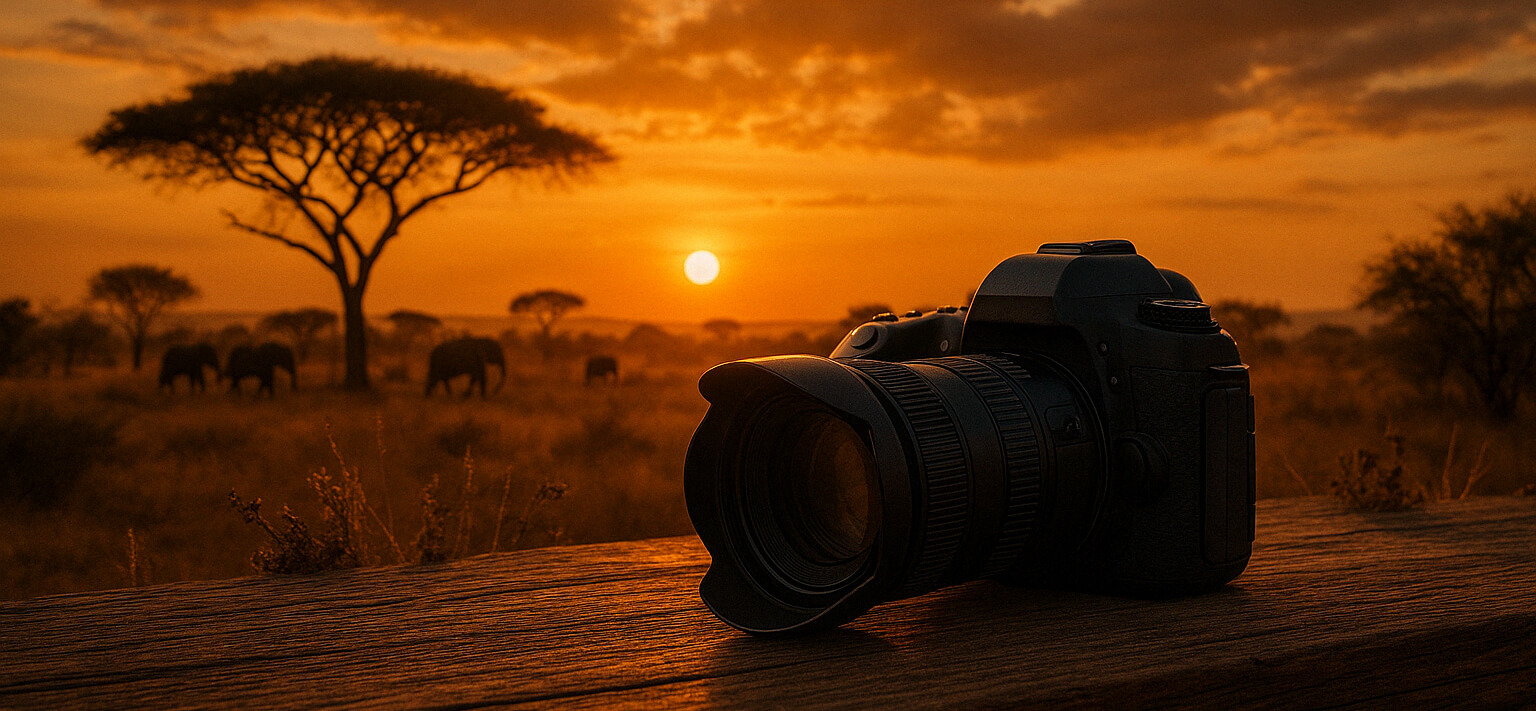
Natural light is one of the most compelling elements in nature photography. It can transform a mundane scene into something extraordinary. Understanding the nuances of natural light requires observing how it changes throughout the day and how it interacts with the environment.
For instance, the golden hour, which occurs shortly after sunrise and before sunset, offers a warm, soft light that can beautifully illuminate landscapes and wildlife. During this time, the sun is low on the horizon, casting long shadows and adding depth to your images. A practical example is photographing a field of wildflowers during the golden hour, where the light enhances the colors and creates a magical atmosphere.
Actionable Tip: Experiment with various times of the day to see how light affects your subject. Try taking the same shot at different hours to get a feel of the differences. Keep a journal of your observations to refine your understanding of natural light.
Composition Techniques
Composition is a fundamental aspect of creating compelling nature photographs. It’s about arranging elements within the frame to guide the viewer’s eye and convey your intended message or emotion. One effective composition technique is the use of leading lines. These are lines that naturally draw the eye towards a particular point in the image, creating a sense of depth and focus.
A real-world example could be photographing a river or stream where the water’s flow leads the viewer’s eye towards a distant mountain. This technique not only adds interest but also helps in telling a story through the image.
Actionable Tip: Incorporate leading lines in your compositions by using natural elements such as tree branches, pathways, or rivers. Practice identifying these lines in your surroundings and use them to create a dynamic composition.
Capturing Wildlife in Their Natural Habitat
Photographing wildlife in their natural habitat requires patience, respect for the animals, and an understanding of their behavior. It’s about capturing candid moments that tell a story or reveal the essence of the creature in its environment.
For example, capturing a photograph of a bird in flight requires knowledge about the species‘ habits and timing your shots to coincide with their natural behavior. Observing and understanding your subject can lead to more authentic and striking images.
Actionable Tip: Spend time observing the wildlife you wish to photograph. Take notes on their behavior, preferred habitats, and active times of day. Use this information to anticipate moments worth capturing, and always maintain a respectful distance to ensure the safety of both the wildlife and yourself.
Utilizing the Right Equipment
Choosing the right equipment is crucial in nature photography, as it can significantly impact the quality of your images. While it’s possible to take stunning photos with a basic setup, certain equipment can enhance your ability to capture nature’s beauty. A versatile lens, such as a zoom lens, allows you to photograph a range of subjects without needing to change lenses frequently.
For instance, a 70-200mm lens is an excellent choice for capturing everything from landscapes to wildlife. It provides flexibility, enabling photographers to adjust their framing without disturbing the scene.
Actionable Tip: Evaluate your current gear to identify any limitations you face when shooting nature photography. Consider renting different lenses or equipment to test them before purchasing. This practice helps you make informed decisions about gear that fits your specific needs and style.