
Understanding Light in Nature Photography
One of the most crucial elements in nature photography is light. The quality, direction, and intensity of light can dramatically impact the mood and composition of your photograph. Understanding how to use natural light to your advantage is key to capturing stunning nature images.
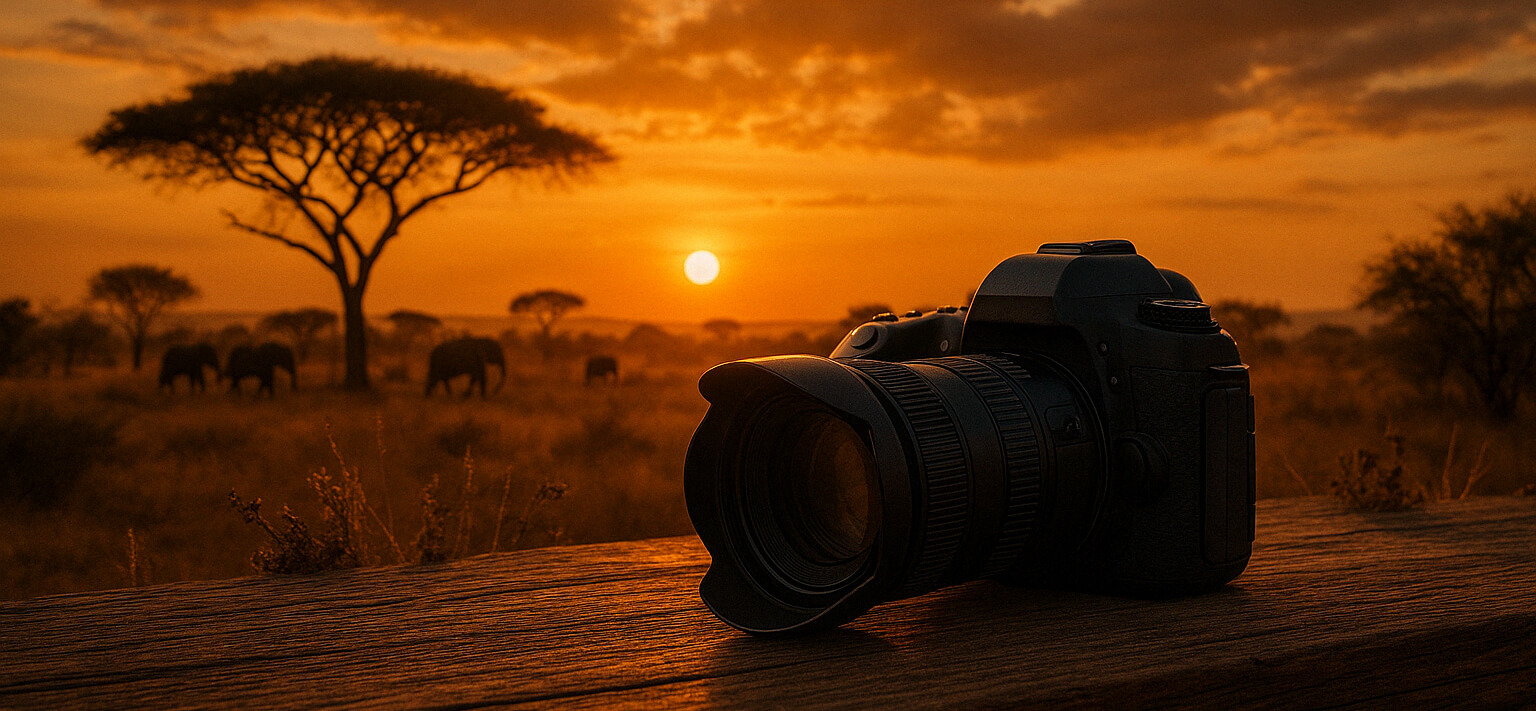
Consider the golden hour, the period shortly after sunrise or before sunset, when the light is soft and warm. This time of day can add a magical quality to your landscape photos. For example, photographing a mountain range during the golden hour can highlight the textures and contours of the peaks, creating a more dynamic image.
Actionable Tip: Experiment with shooting at different times of the day to see how the changing light affects your images. Try visiting the same location at dawn, midday, and dusk to observe how the mood and colors shift with the light.
Mastering Composition Techniques
Composition is another fundamental aspect of nature photography. It involves arranging the elements within your frame to create a balanced and aesthetically pleasing image. Effective composition can enhance the story you are trying to tell through your photograph.
One common technique is the rule of thirds, where you imagine your frame divided into a 3×3 grid. Placing key elements along these lines or at their intersections can create a more engaging and balanced composition. For instance, positioning a lone tree at the intersection of the grid can draw the viewer’s eye while maintaining harmony in the landscape.
Actionable Tip: Practice framing your shots using the rule of thirds. Many cameras and smartphones have a grid overlay you can enable to help guide your composition in real-time.
Capturing Motion in Nature
Nature is full of movement, from the flowing of a river to the rustling of leaves in the wind. Capturing motion in your nature photography can add a sense of dynamism and life to your images. One way to achieve this is by using a slower shutter speed to create a motion blur effect.
For example, photographing a waterfall with a slow shutter speed can turn the rushing water into a silky, smooth flow, emphasizing the power and beauty of the scene. Conversely, a fast shutter speed can freeze the motion, capturing the intricate details of individual water droplets.
Actionable Tip: Experiment with shutter speed settings to capture different types of motion. Use a tripod to stabilize your camera, especially when using slower shutter speeds, to prevent unintended blurring of the entire image.
Connecting Emotionally with Your Subject
Nature photography is not just about capturing a beautiful scene; it’s about evoking emotion and telling a story. Connecting emotionally with your subject can transform a good photograph into a great one. This often involves spending time observing and understanding the environment you are photographing.
An example of this is wildlife photography, where patience and empathy can lead to more intimate and compelling images. By quietly observing a bird’s behavior, you might capture a moment of interaction or expression that reveals its character and story.
Actionable Tip: Spend time in your chosen environment without your camera. Observe the light, sounds, and movements around you. This practice can deepen your connection with the subject and enhance the emotional depth of your photographs.