
Understanding Exposure: The Foundation of Great Photography
Exposure is the cornerstone of photography, determining how light or dark an image appears when captured. It is controlled by three fundamental elements known as the exposure triangle: aperture, shutter speed, and ISO. Mastering these elements allows photographers to achieve the desired brightness and mood in their images.
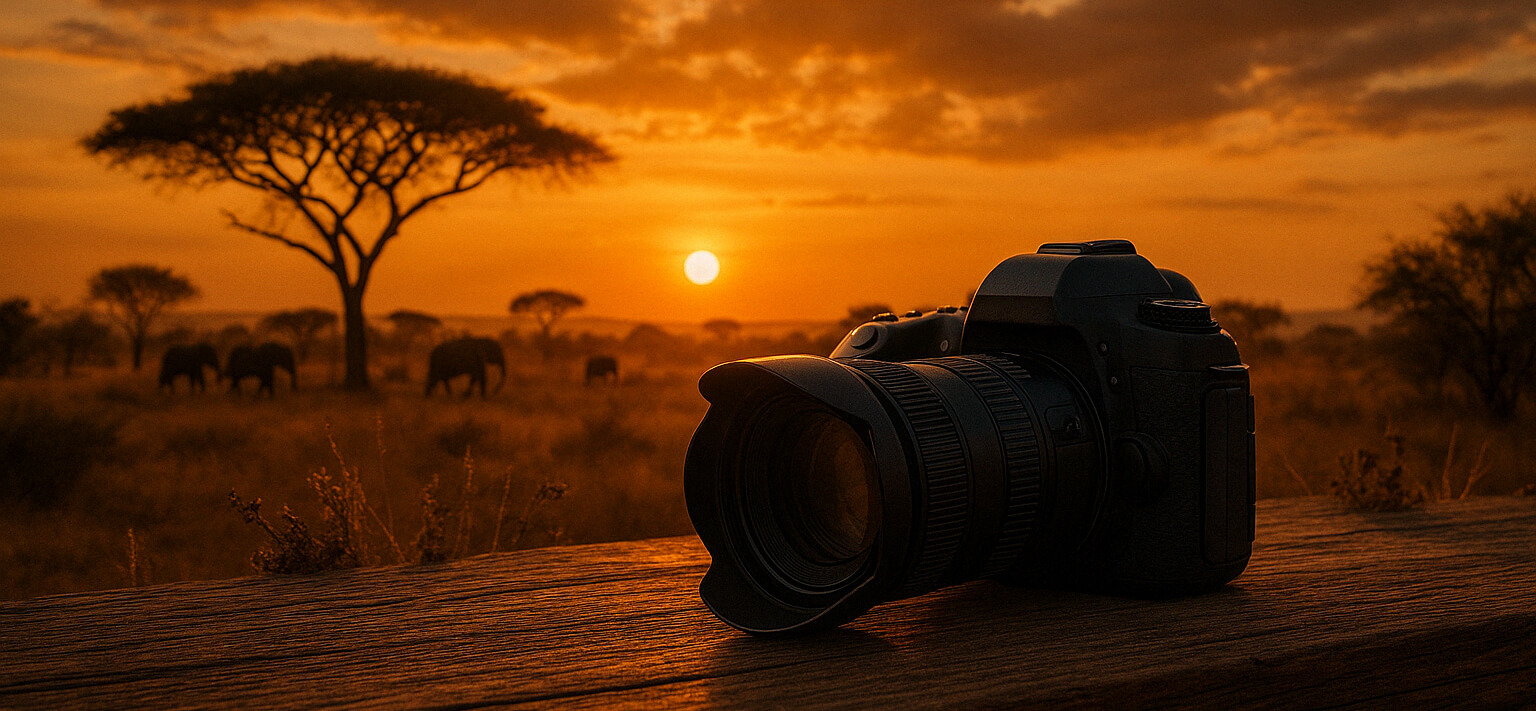
For example, imagine photographing a sunset. To capture the vibrant colors without overexposing the image, you might adjust the aperture to a smaller f-stop number, increase the shutter speed, and keep the ISO low to reduce noise. This combination ensures the rich hues of the sunset are preserved while maintaining clarity.
An actionable tip is to practice shooting in manual mode to gain control over these settings. Begin by photographing the same subject at different times of the day, adjusting each element of the exposure triangle. This exercise will help you understand the relationship between aperture, shutter speed, and ISO, and how they affect the overall exposure of your photograph.
Mastering Composition: Crafting Visually Appealing Images
Composition refers to the arrangement of elements within a photograph, guiding the viewer’s eye and conveying the intended message or emotion. One of the most effective composition techniques is the rule of thirds, which divides the frame into a 3×3 grid. Positioning the subject along these lines or at their intersections can create balance and interest.
Consider a portrait of a person standing in a field. Placing the subject off-center, aligned with the rule of thirds, can enhance the image’s visual appeal by incorporating more of the surrounding environment. This composition not only highlights the subject but also provides context.
To practice composition, try taking a series of photos using the rule of thirds. Utilize your camera’s grid overlay if available, and experiment with placing different subjects at various intersections of the grid. This practice will help you develop a keen eye for balanced and engaging compositions.
Lighting Techniques: Illuminating Your Photographs
Lighting is a crucial element that can dramatically alter the mood and quality of a photograph. Understanding how to manipulate natural and artificial light sources can elevate your photography skills. Soft, diffused light, such as during the golden hour, can create flattering and warm images, while harsh midday sun might require creative solutions to avoid unwanted shadows.
For instance, when capturing a landscape during the golden hour, the soft light can cast long, gentle shadows that add depth and dimension to the scene. This time of day often provides a naturally pleasing color palette that enhances the overall aesthetic.
One technique to experiment with is backlighting. Position your subject between your camera and the light source, allowing light to spill around the edges. This can create a dramatic silhouette or a halo effect, adding intrigue and emotion to your photograph. Practice this technique at different times of the day to observe how light direction and quality influence the outcome.
Post-Processing Skills: Refining Your Images
Post-processing is the art of enhancing and editing images after they have been captured. This process allows photographers to correct exposure, adjust colors, and apply creative effects to achieve their vision. Tools such as Adobe Lightroom or Photoshop are commonly used for these purposes.
Imagine editing a landscape photo that looks a bit dull straight out of the camera. By adjusting the contrast, brightness, and saturation, you can enhance the colors and bring out details that might have been lost. This step is crucial in transforming a good image into a great one.
To develop your post-processing skills, start by familiarizing yourself with basic adjustments like cropping, exposure correction, and color balance. Practice editing your photos by making subtle changes that enhance the image while maintaining its natural feel. Over time, you’ll develop a personal editing style that complements your photographic work.