
Understanding and Using Natural Light
One of the most crucial elements in nature photography is the mastery of natural light. Light can dramatically alter the mood, tone, and quality of your images. The position and type of light source can create different effects, from the warm, golden hue of sunrise to the harsh midday sun. Understanding how to use this light to your advantage is essential.
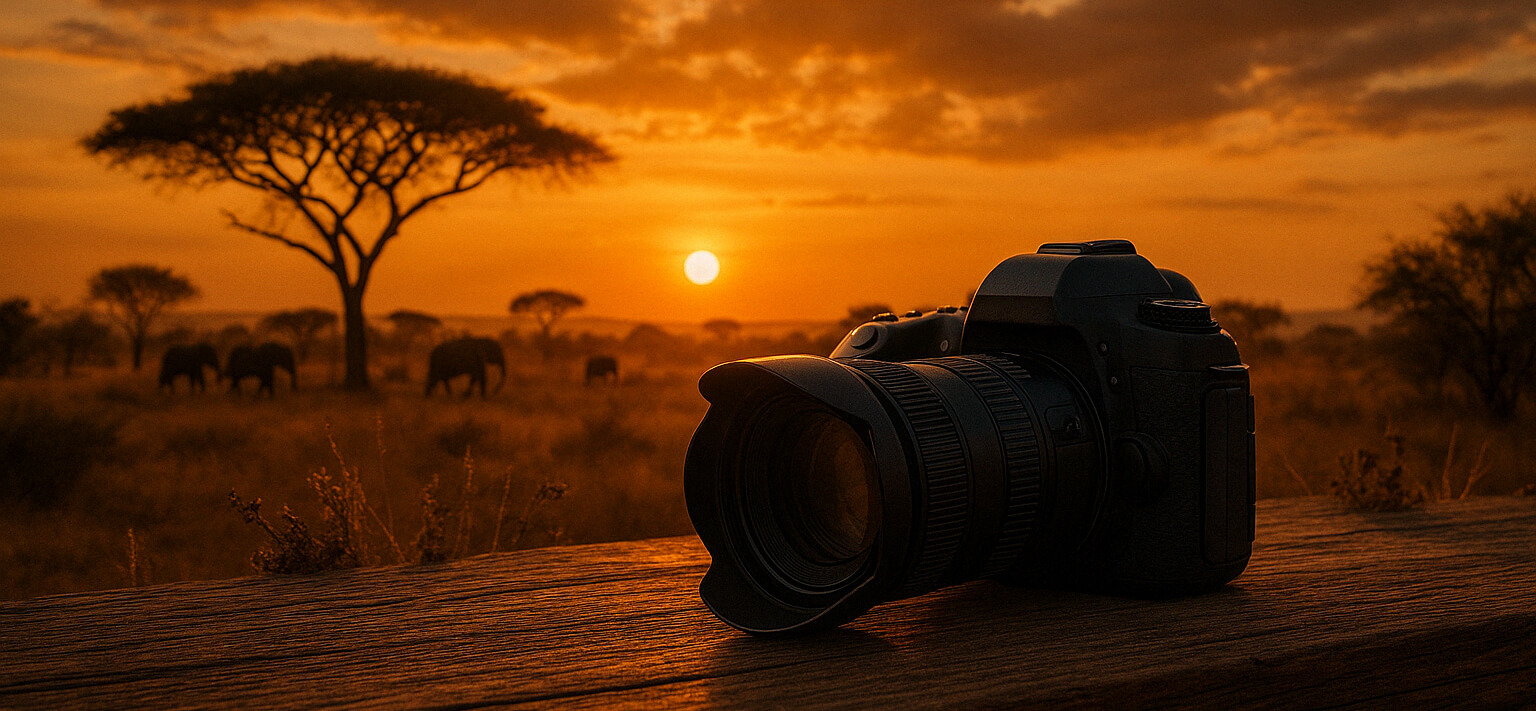
A real-world example of utilizing natural light is the „golden hour,“ which occurs shortly after sunrise or before sunset. During this time, the sun is low on the horizon, providing a soft, diffused light that casts long shadows and highlights textures. This lighting condition is perfect for capturing stunning landscapes and intimate wildlife portraits.
An actionable tip is to plan your photography sessions around the golden hour. Use a compass app to know the direction of the sunrise and sunset, and arrive at your location early to scout for the perfect composition. Experiment with backlighting to create silhouettes or use the soft light for gentle, natural illumination of your subjects.
Mastering Composition Techniques
Composition is a fundamental aspect of photography that dictates how a photograph is structured. In nature photography, effective composition can transform an ordinary scene into an extraordinary image. Key techniques include the rule of thirds, leading lines, and framing.
Consider the example of capturing a winding river. By using the rule of thirds, you can place the river along one of the grid lines to create a more dynamic and engaging composition. Leading lines, like a path or a row of trees, can guide the viewer’s eye through the photograph, adding depth and interest.
An actionable technique is to practice using the rule of thirds by enabling the grid feature on your camera or smartphone. Experiment with placing key elements of your scene along these lines or at their intersections. This simple adjustment can significantly enhance the visual appeal of your images.
Capturing the Essence of Wildlife
Photographing wildlife requires patience, understanding, and respect for the natural world. The goal is to capture the essence of the animals in their natural habitat, showcasing their behavior, beauty, and uniqueness. This often means spending time observing and waiting for the perfect moment.
An example of this is photographing birds in flight. It requires anticipation and quick reflexes to capture the grace and movement. Understanding the habits and patterns of the species you are photographing can increase your chances of success. For instance, knowing that a particular bird tends to fly at certain times can help you prepare for action shots.
An actionable tip is to study your subject beforehand. Learn about their behaviors, preferred environments, and active times. Use a fast shutter speed to freeze motion and a continuous shooting mode to increase your chances of capturing the right moment. Patience and preparation are key to successful wildlife photography.
Exploring Macro Photography in Nature
Macro photography opens up a world of detail that is often overlooked in nature. This technique allows you to capture the intricate textures and patterns of small subjects like flowers, insects, and textures in the environment. It requires a different approach compared to traditional landscape photography.
A real-world example is photographing dew drops on a spider web. Using a macro lens, you can capture the delicate water droplets and intricate web design, creating a captivating image that highlights the beauty of nature’s subtleties. Macro photography often reveals details invisible to the naked eye.
An actionable technique is to invest in a dedicated macro lens or use extension tubes with your existing lenses to get closer to your subjects. Pay attention to your focus and depth of field, as these elements are critical in macro photography. Experiment with different angles and lighting to discover unique perspectives and enhance the fine details of your subjects.