
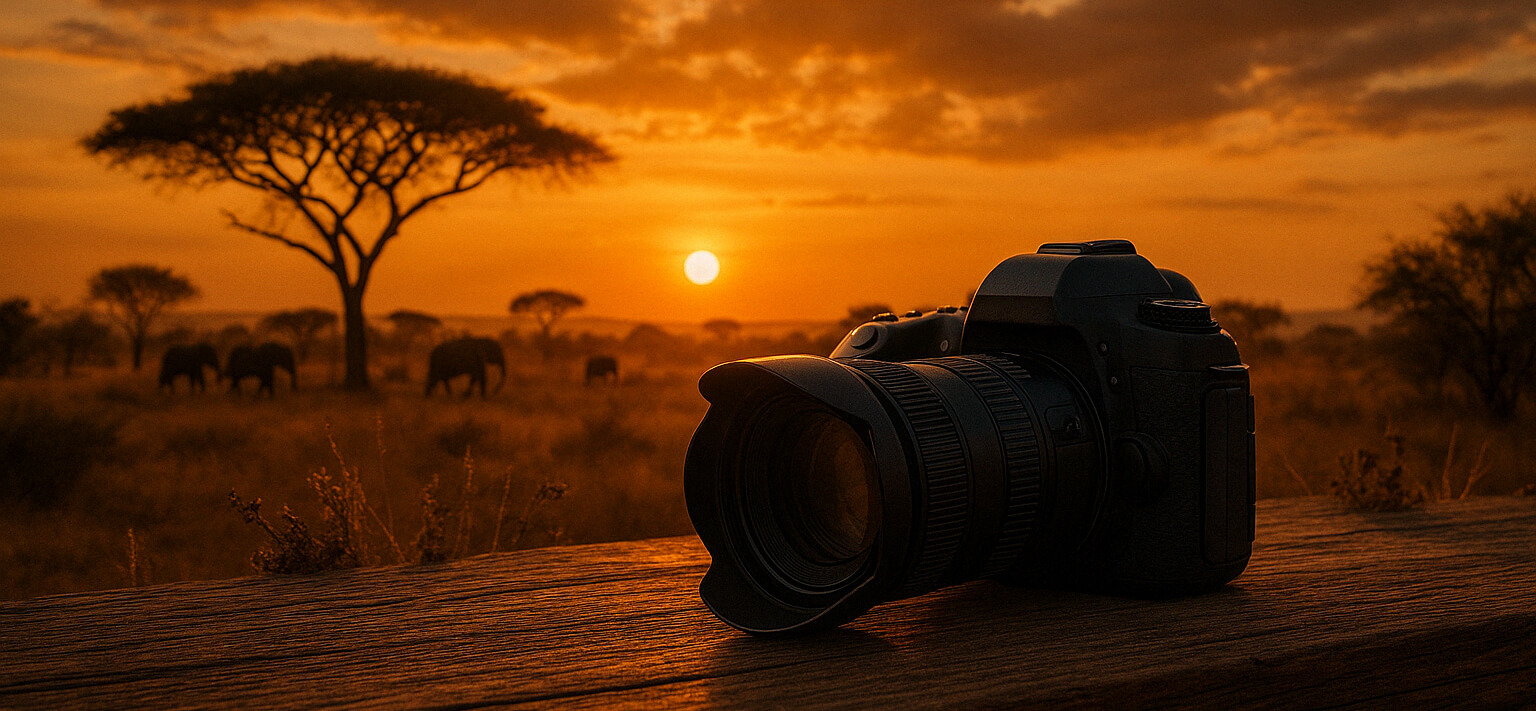
Understanding the Unique Landscape and Wildlife
South Africa is renowned for its diverse landscapes, ranging from the arid deserts of the Kalahari to the lush wetlands of the Kruger National Park. This diversity makes it a prime location for photo safaris, where photographers can capture a wide array of wildlife in their natural habitats. The country’s unique ecological zones offer opportunities to photograph the „Big Five“ – lions, rhinos, elephants, buffalo, and leopards – as well as countless bird species and other wildlife.
For instance, in the Kruger National Park, you can witness and photograph the playful antics of baboons along the Sabie River or the majestic stride of a solitary elephant against a sunset backdrop. Such settings provide the perfect opportunity to practice wildlife photography skills, such as capturing motion and using natural light effectively.
Tip: To get the best shots, plan your safaris during the golden hours – early morning and late afternoon. During these times, the lighting is softer, and animals are more active, leading to more dynamic and compelling photographs.
Choosing the Right Equipment for Safari Photography
Selecting the appropriate equipment is essential for a successful photo safari. A DSLR or mirrorless camera with a fast autofocus system is ideal for capturing fast-moving animals. Lenses are equally important; a telephoto lens, such as a 200-400mm, is recommended for close-up shots of distant wildlife, while a wide-angle lens can capture the vastness of the landscape.
A real-world example would be a safari in the Sabi Sands Game Reserve, where you may need a telephoto lens to capture a distant cheetah sprinting after its prey. Meanwhile, a wide-angle lens can be used to photograph the breathtaking sunsets over the savanna, adding context to your wildlife images.
Tip: Don’t forget to bring extra batteries and memory cards. The excitement of a safari can lead to hundreds of shots in a single day, and you don’t want to miss a moment because of a full card or a drained battery.
Mastering the Art of Patience and Observation
Patience and keen observation are critical skills for any photographer on a safari. Animals in the wild move at their own pace and may require hours of waiting for the perfect shot. Observing animal behavior can also help anticipate their movements and capture unique interactions.
For example, while on a safari in the Addo Elephant National Park, you might observe a herd of elephants from a distance. By patiently waiting and watching, you may capture a touching moment, such as a calf playing under the watchful eye of its mother, which adds emotional depth to your photographs.
Tip: Use binoculars to scout the area and identify potential photo opportunities before raising your camera. This allows you to plan your shots and set up your camera settings in advance, increasing your chances of getting the perfect shot.
Respecting Wildlife and Ethical Considerations
While on a photo safari, it’s crucial to respect the wildlife and adhere to ethical photography practices. Maintaining a safe distance from animals ensures both your safety and the well-being of the wildlife. Avoid disturbing animals by making loud noises or using flash photography, as this can stress them and alter their natural behavior.
A notable example is the practice of staying on designated paths in reserves like the Pilanesberg National Park. Straying off these paths can damage the environment and disturb the animals. Photographers have a responsibility to preserve the natural habitats they capture and promote conservation through their work.
Tip: Educate yourself about the ethical guidelines of the reserve you are visiting. Follow the instructions of your safari guide, who is familiar with animal behavior and park regulations, to ensure a responsible and rewarding photographic experience.