
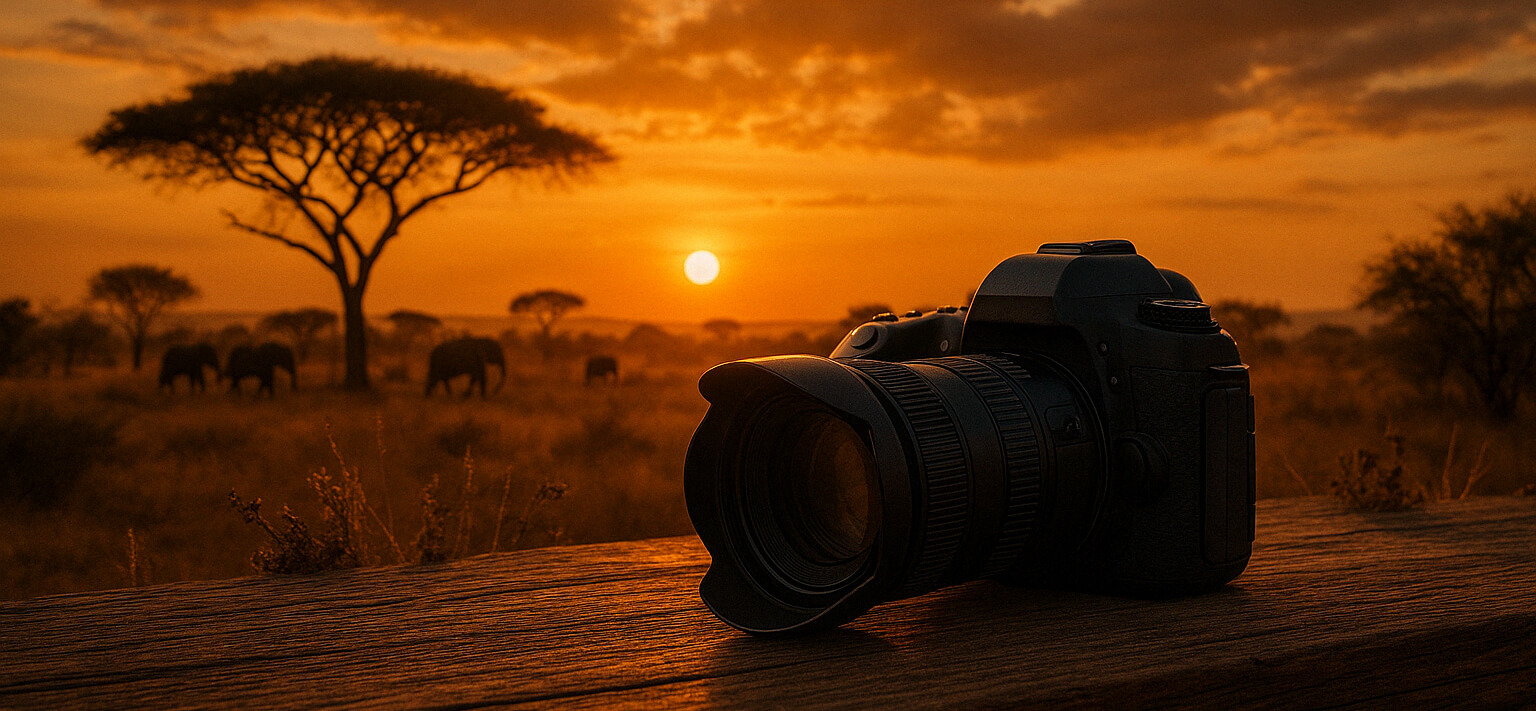
Understanding Exposure: The Foundation of Photography
One of the most crucial skills for any budding photographer is understanding exposure. Exposure is the amount of light that reaches your camera’s sensor, determining how light or dark your photograph will appear. It is controlled by three elements: aperture, shutter speed, and ISO, often referred to as the exposure triangle.
For instance, when capturing a landscape during a sunny day, a smaller aperture (higher f-stop number) will allow less light to enter, providing a deeper depth of field. A faster shutter speed will freeze motion, and a lower ISO will ensure minimal noise. Conversely, in low-light conditions, a wider aperture, slower shutter speed, and higher ISO might be necessary.
Actionable Tip: Practice by taking the same photo with different exposure settings. Adjust the aperture, shutter speed, and ISO individually and observe the changes in the image. This will help you understand how these elements interact and affect the final photograph.
Mastering Composition: The Art of Framing Your Shot
Composition is about arranging the elements within your frame in a way that is pleasing to the eye and effectively conveys your intended message. The rule of thirds is a fundamental principle where the frame is divided into nine equal parts by two equally spaced horizontal and vertical lines. Placing your subject along these lines or at their intersections can create more balanced and engaging photos.
Imagine photographing a sunset. By placing the horizon along the lower third of the frame, you emphasize the sky’s colors and patterns, creating a striking image. Similarly, placing a subject off-center can lead to a more dynamic composition.
Actionable Tip: Enable the grid feature on your camera or smartphone to assist with the rule of thirds. Experiment with different compositions and observe how the placement of elements affects the impact of your images.
Utilizing Light: Capturing the Essence of a Scene
Lighting is the heart of photography, and learning to harness it can dramatically improve your images. Natural light varies throughout the day; understanding its qualities helps in deciding the best time to shoot. The golden hour, which occurs shortly after sunrise and before sunset, is prized for its soft, warm lighting.
Consider a portrait session. During the golden hour, the soft light provides a flattering glow on the subject’s skin, avoiding harsh shadows and highlighting details effectively. In contrast, midday sunlight can be harsh and unflattering.
Actionable Tip: Experiment by photographing the same subject at different times of the day. Note how the changing light affects the mood and quality of your images. This practice will deepen your understanding of lighting and its impact on your work.
Developing Post-Processing Skills: Enhancing Your Images
Post-processing is an essential part of modern photography, allowing you to refine and enhance your images. Editing can involve adjusting exposure, contrast, colors, and cropping to improve composition. While some purists advocate for minimal editing, others embrace it as a creative tool.
Consider a landscape photo that lacks the vibrancy of what you witnessed. Through post-processing, you can enhance the colors, bring out details in shadows, and adjust the contrast to reflect the scene more accurately.
Actionable Tip: Start with basic editing software like Adobe Lightroom or free alternatives like GIMP. Practice by editing a few photos, focusing on one aspect at a time, such as adjusting the exposure or boosting the contrast, to see how these changes can improve your images.