
Mastering Composition: The Art of Framing
Composition is the foundation of any great photograph. It’s the art of arranging elements within the frame to create a harmonious and pleasing image. By understanding and applying various compositional techniques, photographers can guide the viewer’s eye and evoke emotions effectively.
A common technique is the Rule of Thirds, which involves dividing the frame into nine equal parts using two horizontal and two vertical lines. Placing the main subject along these lines or at their intersections can create a balanced and dynamic composition. For instance, in landscape photography, positioning the horizon along the top or bottom third rather than the center can add depth and interest.
Real-world example: Consider a portrait of a person standing in a field at sunset. By aligning the subject’s eyes with the top horizontal line and keeping the horizon on the lower third, the image can achieve a more professional and engaging look.
Actionable tip: Practice by taking a series of photos using the Rule of Thirds grid feature available on most cameras and smartphones. Review the images to see how this approach changes the focus and feel of each shot.
Understanding Light: Harnessing Natural and Artificial Lighting
Lighting is a critical element in photography that can dramatically alter the mood and quality of an image. Understanding the characteristics of both natural and artificial light enables photographers to manipulate and control the atmosphere of their shots.
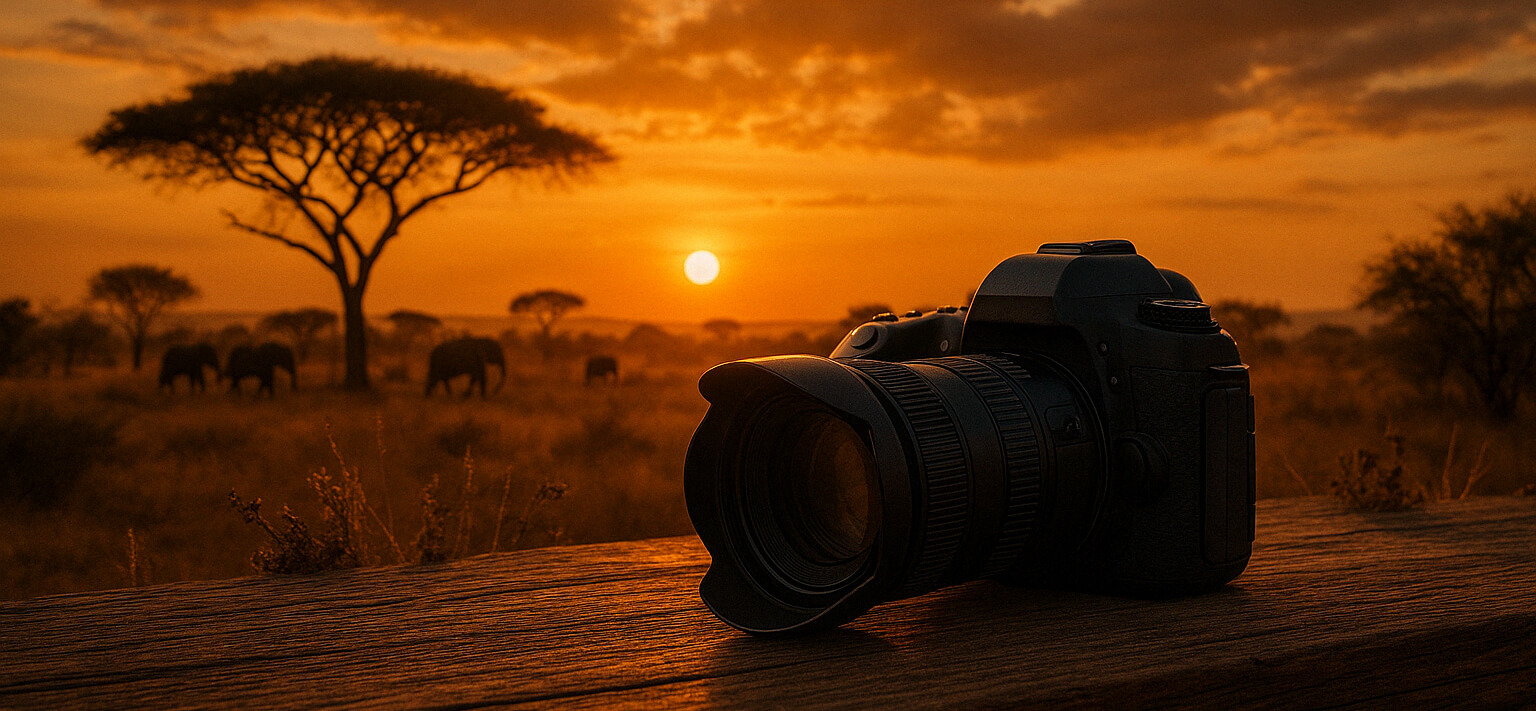
Natural light, such as sunlight, varies in color and intensity throughout the day. The golden hour, shortly after sunrise or before sunset, offers a soft, warm glow that is ideal for capturing serene and evocative images. On the other hand, harsh midday sunlight can create unflattering shadows and highlights.
Real-world example: A street photographer might capture vibrant life scenes during the golden hour, using the warm tones to enhance the ambiance and emotion of the urban landscape.
Actionable tip: Experiment with different times of the day to understand how natural light affects your photographs. For indoor shoots, try using a reflector to bounce light onto your subject, reducing harsh shadows and creating a more even illumination.
Enhancing Images: The Power of Post-Processing
Post-processing is an essential skill for photographers, allowing them to refine and enhance their images to better match their creative vision. Software like Adobe Lightroom and Photoshop offer powerful tools for adjusting exposure, contrast, color balance, and more.
While over-editing can lead to unnatural results, subtle adjustments can significantly improve the quality of an image. For example, increasing contrast can add depth, while adjusting the white balance can correct color casts and bring out true-to-life hues.
Real-world example: A landscape photographer might use post-processing to bring out the vivid colors of a sunset and add contrast to emphasize the textures of the terrain.
Actionable tip: Begin with basic adjustments such as exposure correction and white balance. Gradually explore advanced techniques like dodging and burning to selectively enhance details and draw attention to key areas of your photo.
Choosing the Right Gear: Tools of the Trade
Selecting the appropriate gear is crucial for achieving desired photographic outcomes. While having the latest equipment is not always necessary, understanding the capabilities and limitations of your tools can enhance your photography significantly.
For instance, choosing between a prime lens and a zoom lens depends on the shooting scenario. A prime lens, with its fixed focal length, often provides superior sharpness and a wider aperture for low-light conditions. Conversely, a zoom lens offers versatility for capturing different perspectives without changing lenses.
Real-world example: A wildlife photographer might opt for a telephoto zoom lens to capture distant subjects, while a portrait photographer might prefer a prime lens for its sharpness and beautiful background bokeh.
Actionable tip: Rent or borrow different types of lenses and cameras to test their features and find what best suits your style and needs. This hands-on experience can guide you in making informed decisions about future purchases.