
Understanding Light in Nature Photography
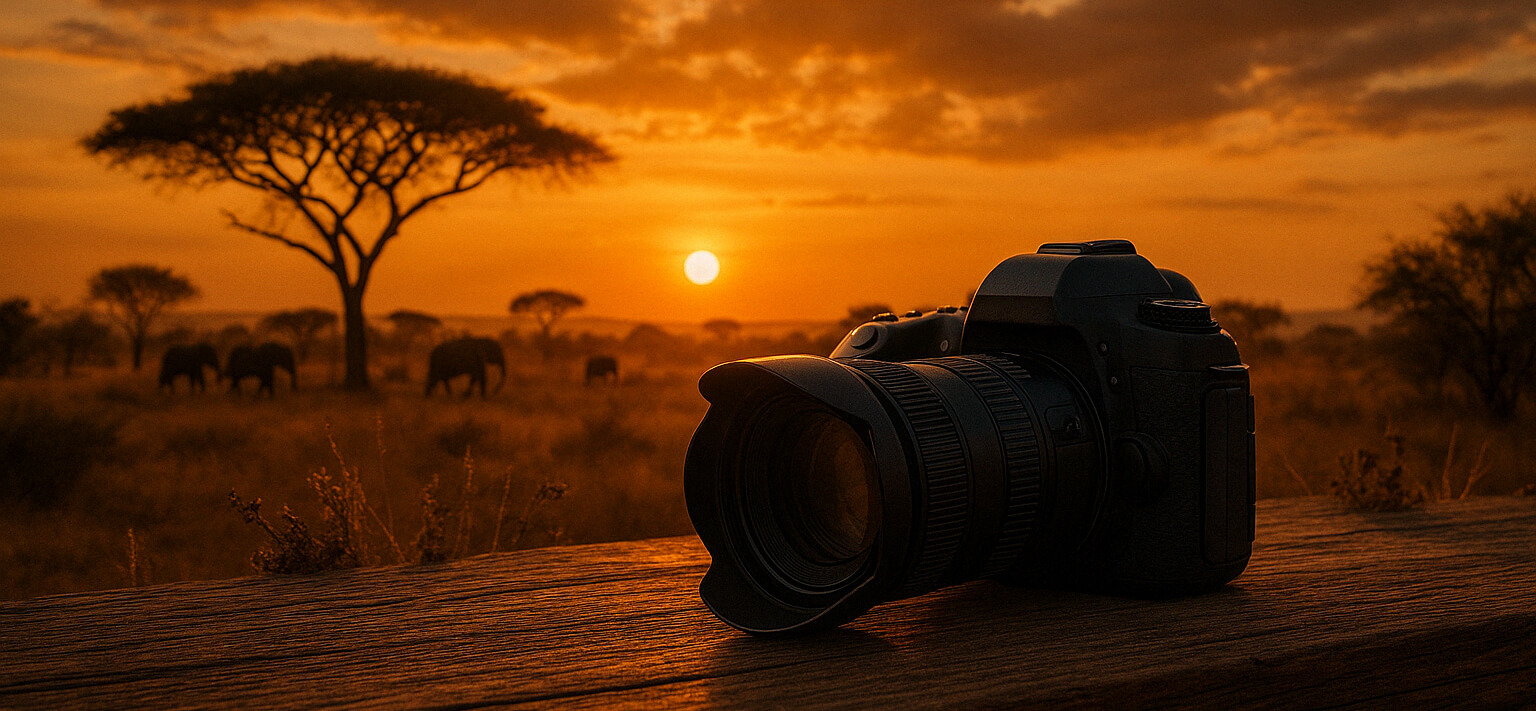
Lighting is one of the most crucial elements in photography, and it plays a particularly significant role in nature photography. Natural light changes throughout the day, and each time of day offers a unique quality of light that can dramatically affect the mood and tone of your images. Early morning and late afternoon, often referred to as the „golden hours,“ offer soft, warm light that can add a magical touch to landscapes and wildlife.
Consider the work of Ansel Adams, a master of capturing light in his iconic black-and-white images. Adams utilized the contrast between light and shadow to add depth and drama to his scenes, often waiting for the perfect lighting conditions to achieve his desired effect.
Actionable Tip: Experiment with photographing the same scene at different times of the day. Observe how the changing light affects the mood and detail in your photographs. Aim to shoot during the golden hours to capture that soft, ethereal quality that is so captivating in nature photography.
Composing Your Shot for Maximum Impact
Composition is key to creating compelling nature photographs. A well-composed image guides the viewer’s eye and conveys the photographer’s intended message. In nature photography, the rule of thirds is a fundamental principle that can enhance the composition. By dividing your frame into nine equal parts using two horizontal and two vertical lines, you can position the main subject at the intersections or along the lines for a balanced and engaging photo.
An example of effective composition can be seen in National Geographic wildlife images, where photographers often use the rule of thirds to highlight the majesty of animals within their natural habitats. The composition draws attention to the subject while still providing context through the surrounding environment.
Actionable Tip: Practice using the rule of thirds in your next nature outing. Activate the grid feature on your camera or smartphone to help align your subjects along the grid lines or at the intersections. This simple adjustment can significantly enhance the appeal of your photographs.
Capturing the Essence of Wildlife
Photographing wildlife requires patience, respect, and a deep understanding of animal behavior. The goal is to capture the essence and personality of the creature while maintaining the integrity of its natural environment. Understanding the habits and habitats of your subject will not only improve your chances of a successful shot but also ensure ethical wildlife photography practices.
Steve Winter, a renowned wildlife photographer, exemplifies this approach. His intimate portraits of big cats are the result of extensive research and fieldwork, allowing him to capture these animals in moments of genuine behavior without disturbing their natural setting.
Actionable Tip: Before heading out, research the wildlife you intend to photograph. Learn about their feeding times, social behaviors, and typical habitats. Patience is key; allow yourself time to observe and understand your subject, and you’ll be more likely to capture authentic and impactful wildlife images.
Utilizing Equipment to Enhance Your Shots
While the photographer’s vision is paramount, the right equipment can greatly enhance the quality of nature photographs. A sturdy tripod is essential for stabilizing your camera, especially in low light conditions or when using a long lens. Additionally, using a polarizing filter can reduce glare from water surfaces and foliage, enhancing colors and contrast in your images.
Consider the practice of landscape photographers who often rely on tripods to achieve sharp, detail-rich images. A tripod allows for longer exposures without camera shake, enabling stunning captures of waterfalls, forests, and expansive vistas.
Actionable Tip: Invest in a good quality tripod and a polarizing filter for your camera. Practice setting up your tripod quickly and securely, and experiment with the polarizing filter to see how it impacts reflections and colors in your shots. These tools can significantly improve the clarity and vibrancy of your nature photographs.