
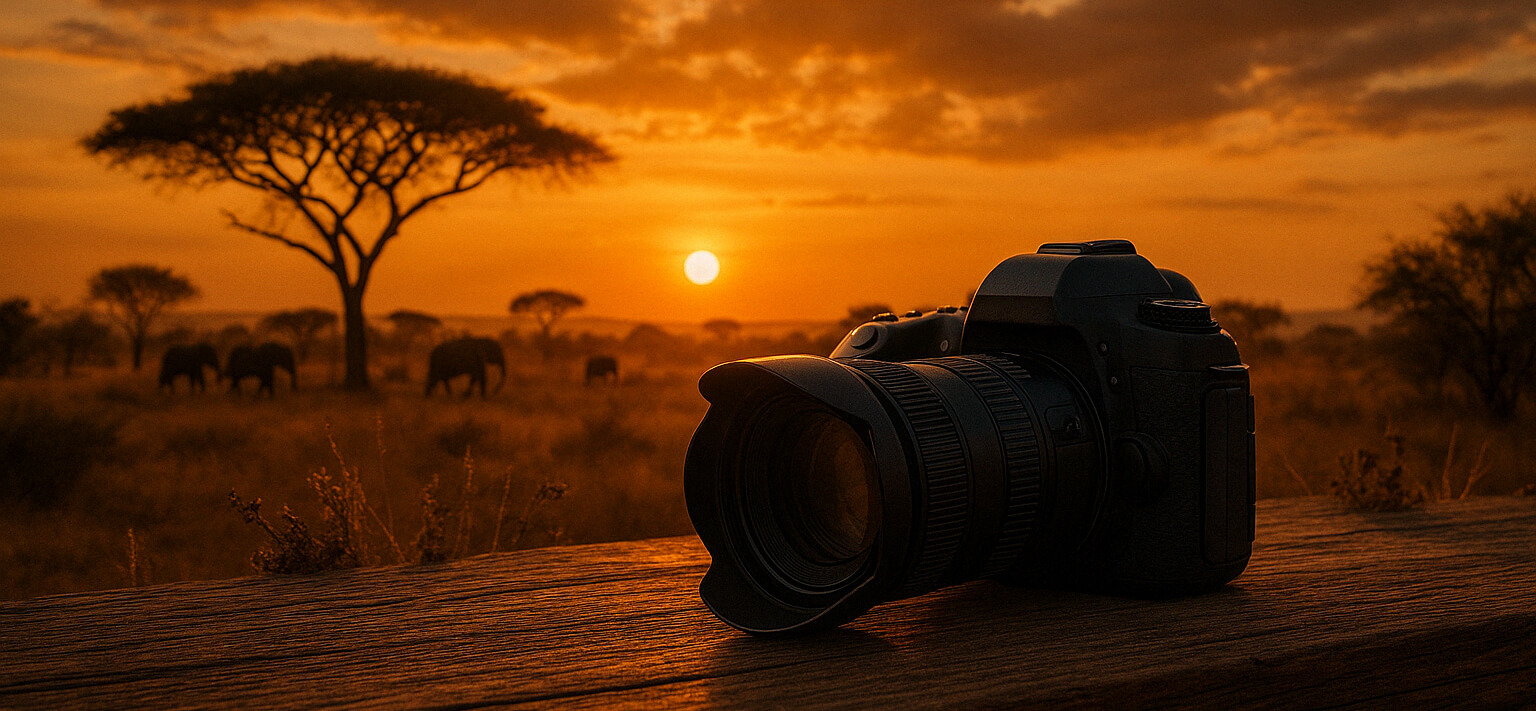
Understanding the Wildlife and Their Habitats
South Africa is home to an incredibly diverse array of wildlife, making it a prime destination for photo safaris. Before embarking on your adventure, it’s crucial to understand the behavior and natural habitats of the animals you wish to photograph. This knowledge not only enhances your ability to capture stunning images but also ensures a respectful and safe interaction with wildlife.
For example, the Kruger National Park is renowned for its population of the Big Five: lions, leopards, elephants, rhinos, and Cape buffalo. Each species has unique habits; lions are often more active at dawn and dusk, while elephants might be seen near watering holes during the hotter parts of the day.
Actionable Tip: Research the specific parks you plan to visit and the animals you hope to photograph. Understanding their routines can help you plan your shooting schedule more effectively, optimizing your chances of capturing extraordinary moments.
Choosing the Right Equipment for Your Safari
The right equipment can make a significant difference in the quality of your photographs. When considering a photo safari, the choice of camera, lenses, and accessories should be tailored to the unique challenges of wildlife photography. A DSLR or mirrorless camera with a fast shutter speed and high ISO capability is ideal for capturing fast-moving subjects in varying light conditions.
A real-world example would be using a 100-400mm telephoto lens, which provides versatility for capturing both distant wildlife and closer subjects without disturbing them. Additionally, a sturdy tripod or monopod can be invaluable for stabilizing your shots during low-light conditions.
Actionable Tip: Before your trip, test your equipment in similar environments, such as local wildlife parks. Familiarize yourself with your camera settings and practice adjusting them quickly to respond to changing scenes and lighting conditions.
Mastering the Art of Patience and Timing
Patience is a key virtue in wildlife photography. Unlike studio photography, where conditions can be controlled, photo safaris require you to adapt to the unpredictability of nature. Successful wildlife photographers understand the importance of waiting for the perfect moment, which often involves staying in one location for extended periods.
Consider the experience of a photographer waiting by a watering hole for hours, only to capture the majestic sight of a lion pride arriving to drink just as the sun sets. Such moments are fleeting and require both patience and readiness.
Actionable Tip: Practice mindfulness during your safari. Focus on the environment and the subtle signals animals give before they move or interact. This awareness can help you anticipate action and prepare to capture it at the perfect moment.
Respecting Wildlife and Ethical Photography Practices
Ethical considerations are paramount when participating in a photo safari. The well-being of wildlife should always take precedence over obtaining the perfect shot. Ethical photography practices not only protect animals but also ensure that future generations can enjoy their natural beauty.
A real-world example of ethical practice is maintaining a safe distance from animals. Using a long lens allows photographers to capture intimate images without encroaching on the animals’ personal space, thereby minimizing stress and disruption.
Actionable Tip: Follow the guidelines and regulations set by park authorities and experienced guides. These rules are designed to protect both wildlife and visitors. Always prioritize observing and documenting wildlife behavior naturally and responsibly.