
Understanding Light in Nature Photography
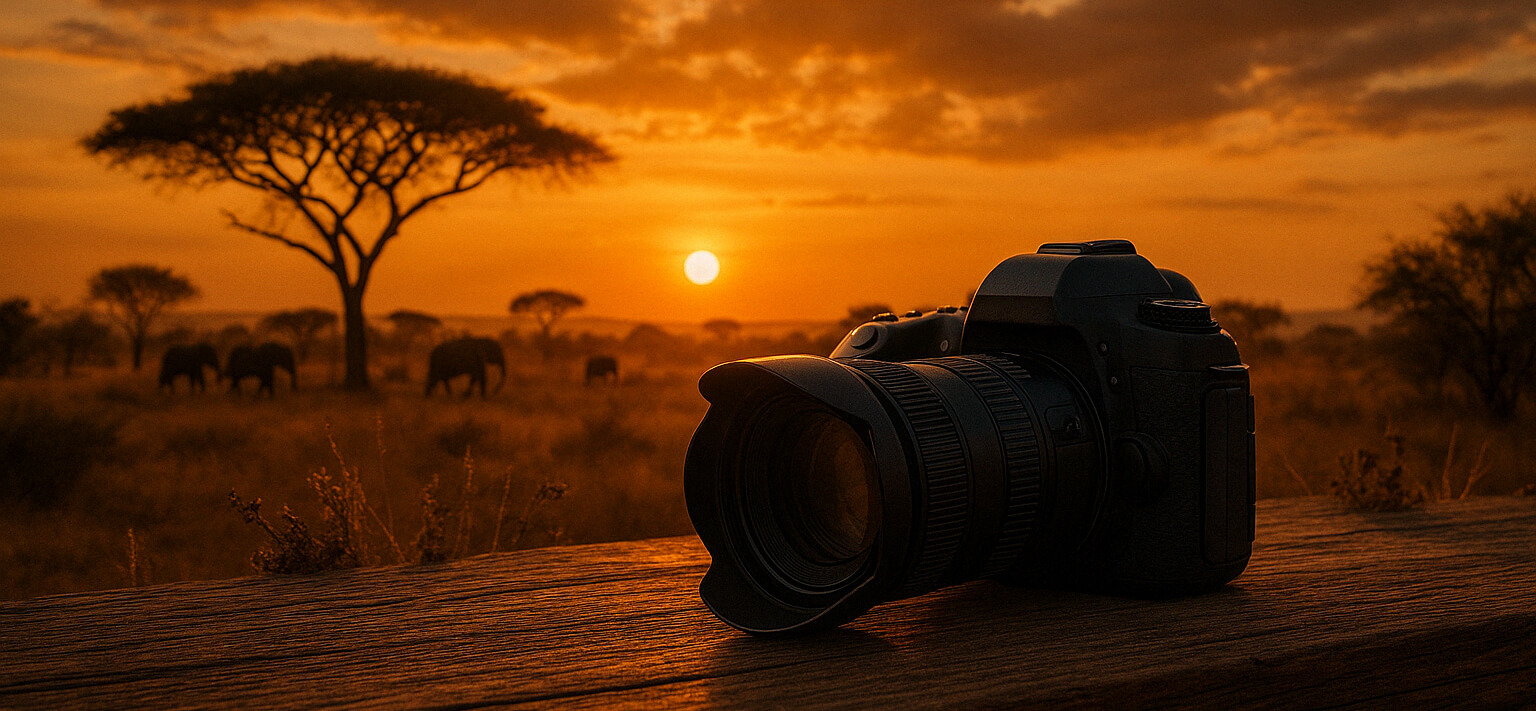
Light is the essence of photography, and this is especially true in nature photography. Understanding how natural light affects the scene is crucial to capturing stunning images. The best light for nature photography is typically during the golden hours—shortly after sunrise and just before sunset. This is when the sun is low on the horizon, casting a warm glow that adds depth and dimension to landscapes and wildlife.
Consider a serene morning in a forest where the first rays of the sun filter through the leaves, creating a magical atmosphere. Capturing this moment with the right exposure can result in a photograph that conveys the tranquility of the scene. For example, using a wide aperture to focus on a shaft of light hitting the forest floor can create a striking focal point.
Actionable Tip: Experiment with backlighting by positioning yourself so that the sun is behind your subject. This can create a halo effect around leaves or animals, adding a dramatic flair to your images.
Composing Your Shot: Rule of Thirds and Beyond
Composition is key in nature photography. The rule of thirds is a fundamental guideline that involves dividing your image into nine equal parts using two horizontal and two vertical lines. By placing your subject along these lines or at their intersections, you can create a more balanced and engaging photograph.
Imagine photographing a majestic mountain range. By applying the rule of thirds, you might position the peaks along the upper third line and a winding river along the lower third, leading the viewer’s eye through the image. This technique enhances the natural flow and dynamic of the composition.
Actionable Tip: Try breaking the rule of thirds intentionally. Center your subject or use leading lines to draw attention. Experimenting with different compositions can result in unique and compelling photographs.
Capturing Movement and Wildlife
Nature is full of motion, from the gentle sway of trees to the swift flight of birds. Capturing this movement can bring life to your photographs. Using a fast shutter speed is essential when photographing wildlife or action scenes to freeze the motion effectively.
Consider a scenario where you’re photographing a flock of birds taking off from a lake. By setting your camera to a fast shutter speed, such as 1/1000th of a second, you can capture the individual details of the birds’ wings in motion, creating a dynamic and powerful image.
Actionable Tip: Experiment with panning techniques. This involves moving your camera in the same direction as your subject’s motion, using a slower shutter speed to create a sense of movement with blurred backgrounds and sharp subjects.
Post-Processing for Nature Photography
Post-processing is an essential step in enhancing your nature photographs. While it’s important to maintain the natural beauty of your images, subtle adjustments can make a significant difference. Editing software like Adobe Lightroom allows you to enhance colors, adjust exposure, and bring out details that might not be immediately apparent in the raw file.
For instance, you might have a photograph of a vibrant sunset where the colors appear dull straight out of the camera. By adjusting the white balance and enhancing the saturation, you can bring out the vivid oranges and purples that you witnessed in person.
Actionable Tip: Focus on enhancing the natural colors and contrast without over-editing. Use the histogram to ensure your image retains detail in both shadows and highlights, preserving the true essence of the scene.