
Understanding Composition
Composition is the art of arranging elements within a frame to create a compelling image. It is the foundation of photography that determines how viewers perceive your work. A well-composed photograph can guide the viewer’s eye and evoke emotions. There are several compositional techniques like the rule of thirds, leading lines, and framing that help in creating balanced and engaging images.
For example, when photographing a landscape, placing the horizon line along the top or bottom third of the frame, rather than dead center, can make the image more dynamic. Similarly, using leading lines such as roads or rivers can draw the viewer’s eye into the scene.
Actionable Tip: Practice the rule of thirds by aligning subjects along the imaginary grid lines and points that divide your frame into nine equal parts. This will enhance the balance and interest in your photographs. Most cameras and smartphones have a grid option to assist with this.
Mastering Exposure
Exposure is the amount of light that reaches your camera’s sensor, affecting the brightness of your photograph. It is controlled by three main settings: aperture, shutter speed, and ISO, collectively known as the exposure triangle. Understanding these elements and how they interact is crucial for capturing well-exposed images.
Imagine taking a portrait outdoors on a sunny day. To avoid overexposure, you might use a fast shutter speed and a low ISO setting. Conversely, shooting at dusk may require a slower shutter speed and a higher ISO to capture enough light without introducing noise.
Actionable Tip: Experiment with shooting in manual mode to gain full control over your camera’s exposure settings. Start by adjusting one element of the exposure triangle at a time while maintaining correct exposure, to see how it affects your images.
Learning Lighting Techniques
Lighting is a critical component of photography that influences mood, texture, and depth. Understanding natural and artificial light sources, as well as how to manipulate them, is essential for capturing stunning images. Light can be soft or hard, direct or diffused, each type creating different effects.
Consider a scenario where you’re photographing a friend indoors. Using natural window light can create beautiful, soft portraits. Position your subject near the window at an angle to utilize soft side lighting, which adds depth and dimension to the face.
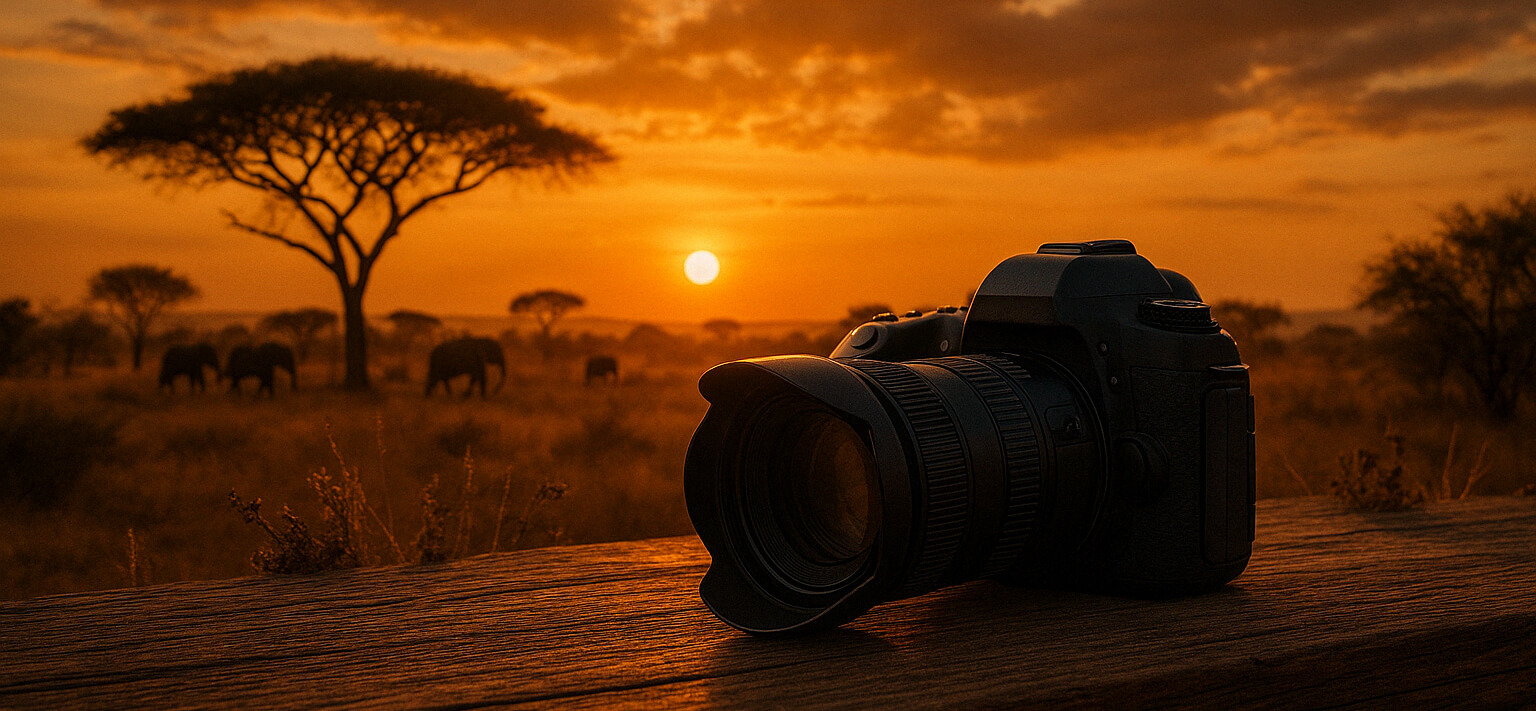
Actionable Tip: Try shooting during the golden hour, the period shortly after sunrise or before sunset, when the light is soft and warm. This type of lighting is flattering for most subjects and can dramatically enhance your photographs.
Exploring Post-Processing
Post-processing involves editing your photographs after they are taken to enhance or alter the image. It is an integral part of digital photography that allows photographers to correct errors, improve composition, and add creative effects. Software like Adobe Lightroom and Photoshop offers a wide range of tools for editing.
For instance, if a photo appears too dark due to low light conditions, post-processing can help adjust the exposure and bring out details in shadows. Similarly, you can crop an image to improve its composition after capturing it.
Actionable Tip: Start with basic adjustments such as exposure, contrast, and color temperature. Gradually explore more advanced features like local adjustments and filters. It is important to maintain a balance and avoid over-editing, which can make images look unnatural.